A pergola without a roof is a frame with good intentions. It looks lovely in photos, but the first hot afternoon or sudden shower sends everyone back inside. The fix is not a bigger pergola. It is a roof that actually works for the way you use your yard.
A Pergola Roof changes what the space can do. It turns a pretty structure into a room you can sit in through a summer storm, a shady spot for lunch in July, and a dry place for morning coffee in October. The right cover keeps the light you love and blocks the weather you do not.
The list below covers 19 ways to top a pergola, from simple wood beams to louvered panels you can open with a remote. Some cost very little. Some are a real project. All of them make the space underneath far more useful, and each one suits a different kind of yard and budget.
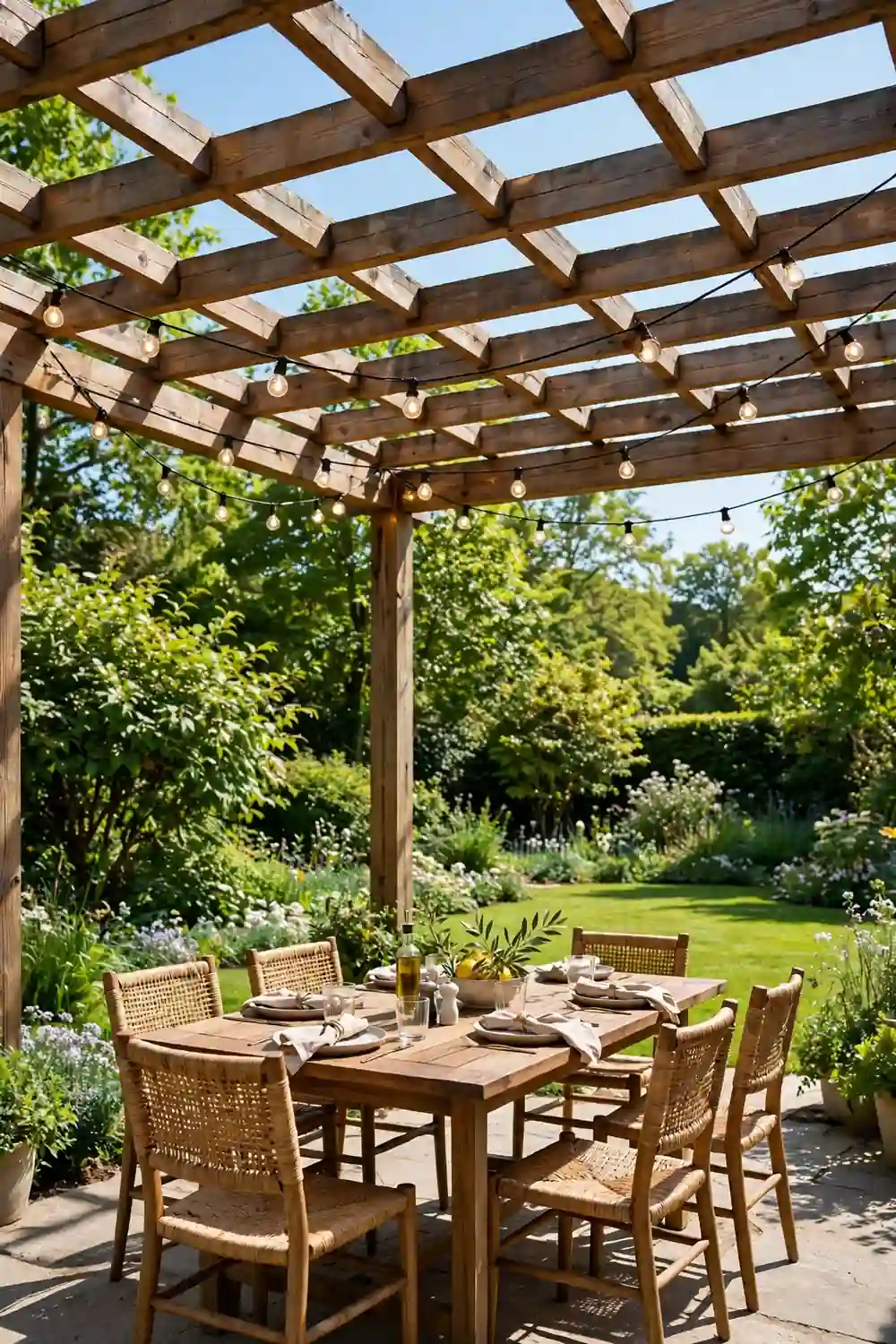
1. Classic Wood Beam Pergola Roof
The original is still hard to beat. Evenly spaced rafters over sturdy posts give you dappled shade and a clean, finished look. It will not stop rain, but it takes the edge off harsh sun and it frames the sky in a way a solid roof never will.
Spacing is the detail that matters. Beams set 6 to 8 inches apart throw real shade at midday. Wider gaps look airy but let most of the sun through.
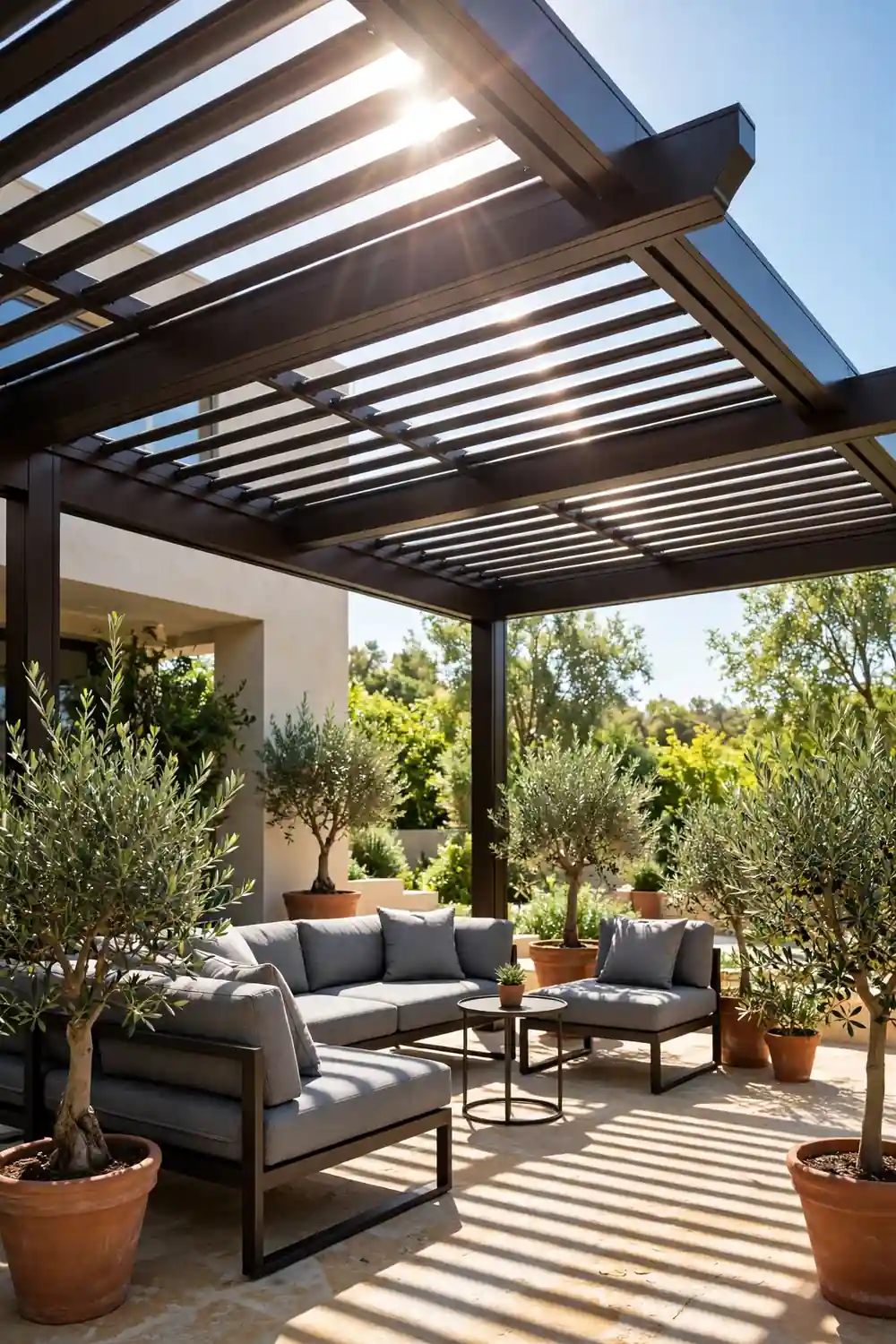
2. Louvered Roof You Can Open and Close
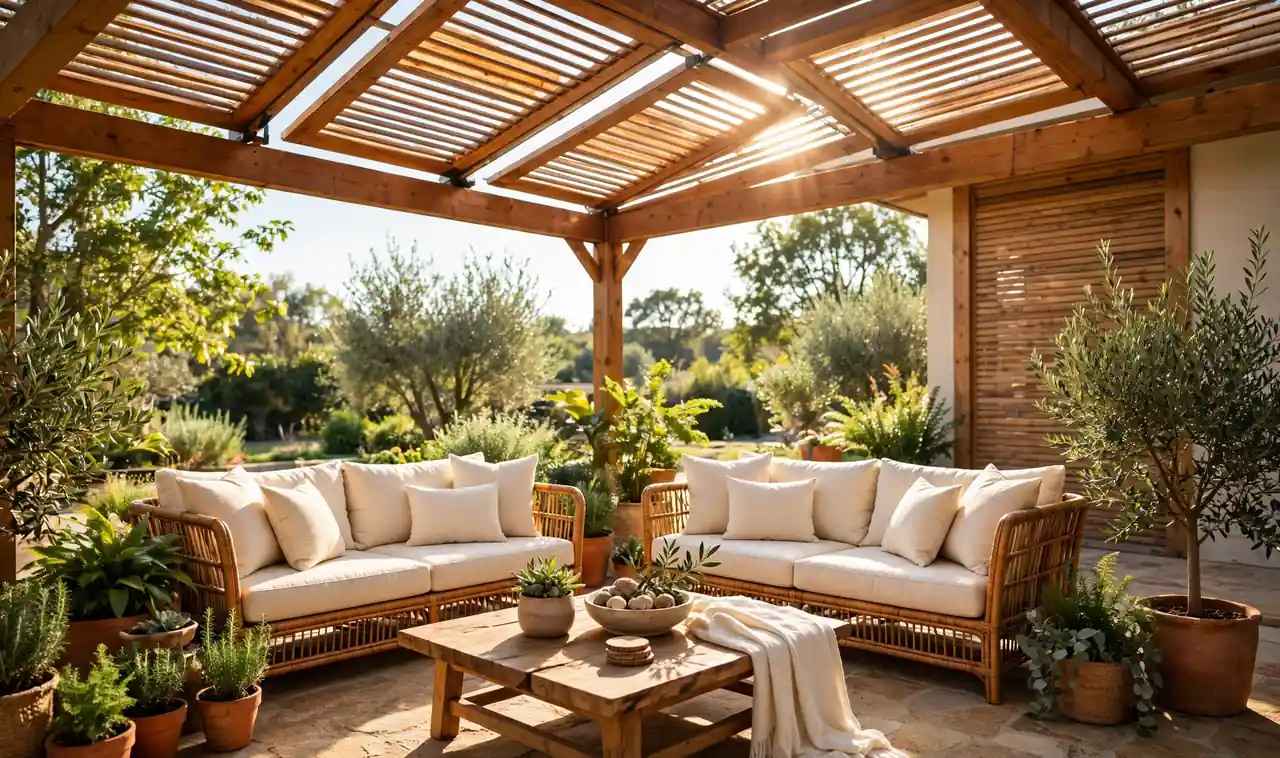
Louvered panels are the closest thing to a roof with a dimmer switch. Tilt the slats open for sun and breeze, close them flat when rain rolls in, and angle them halfway on a bright afternoon. Most systems run on a motor with a remote, and some link to a rain sensor that closes them on its own.
Aluminum louvers last longest and need almost no upkeep. Either way, check that the frame can carry the weight before you order, since louvered panels are heavier than they look.
💡 Quick Tip
Ask for a gutter channel in the frame. Closed louvers shed water to the edges, and without a channel that water drips straight onto your seating.
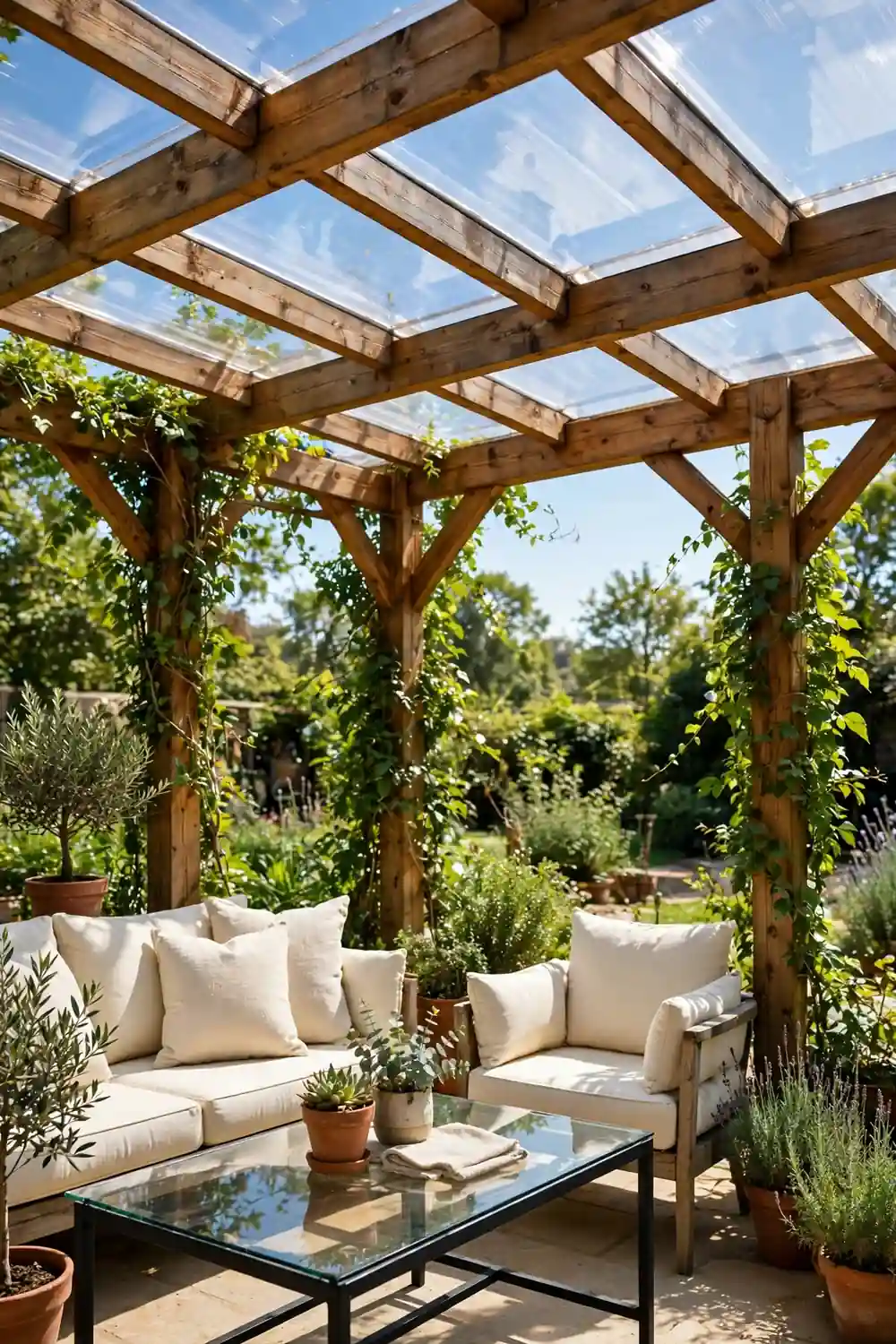
3. Clear Polycarbonate Panels
Polycarbonate sheets sit on top of the rafters and keep rain out while letting light pour in. The space stays bright on grey days, and you can sit outside in a drizzle without getting wet. Twin wall panels add a bit of insulation and cut down the drumming sound of heavy rain.
Pick panels with UV protection on the top side, and leave a small gap at the lower edge so water runs off instead of pooling.
4. Standing Seam Metal Over Your Pergola
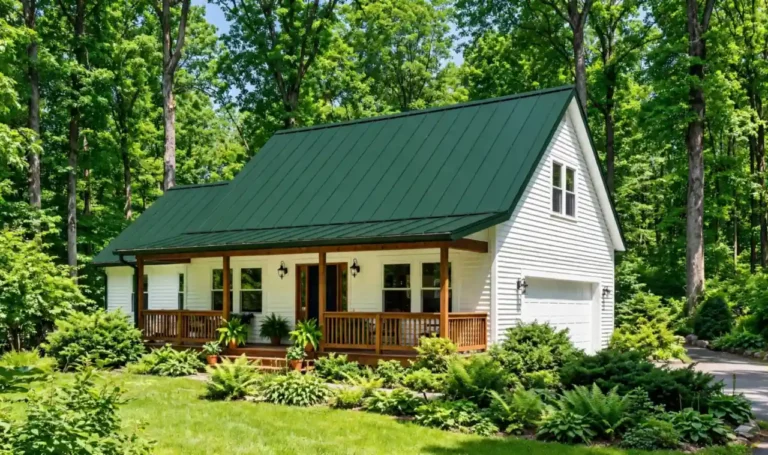
A standing seam metal roof gives a pergola the same clean, long lasting cover you would put on a house. The raised seams shed water fast, the panels shrug off snow, and the look is tidy and modern. Dark bronze or matte black reads especially well against warm wood posts.
Metal does echo in a downpour, so a layer of plywood or foam board under the panels helps. If you like this look, the same material works beautifully overhead on the house too. See these standing seam metal roof ideas for ways to match the two.
5. Retractable Fabric Canopy
A retractable canopy slides along tracks under the rafters and pulls back when you want open sky. It is the simplest way to add real rain cover to a pergola that is already standing, and it costs far less than a fixed roof.
Outdoor acrylic fabric holds up best. It resists fading and mildew, and it dries fast after rain. Choose a light cream or sand color to keep the space bright underneath, and always retract it before a storm with strong wind.
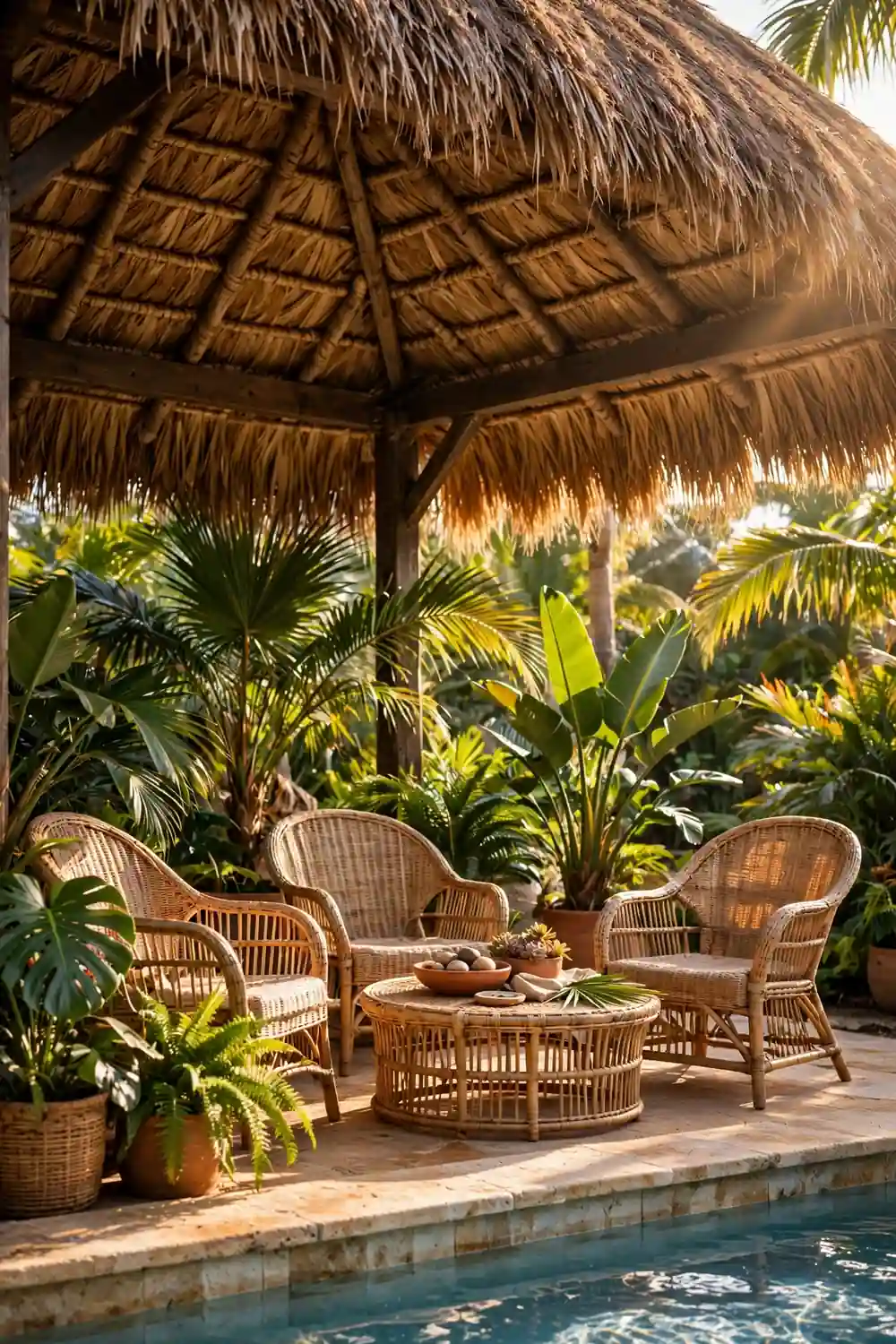
6. Thatched Palm Roof for a Resort Feel
Thatch turns a plain pergola into a place that feels like a holiday. Layers of palm leaf or synthetic thatch throw deep shade, stay cool to the touch, and soften the whole structure. It suits pool areas and tropical planting better than any other cover here.
Real palm thatch lasts a few years and needs replacing as it thins. Synthetic thatch costs more up front but can last a decade with no care at all.
7. Cedar Shake Overhead
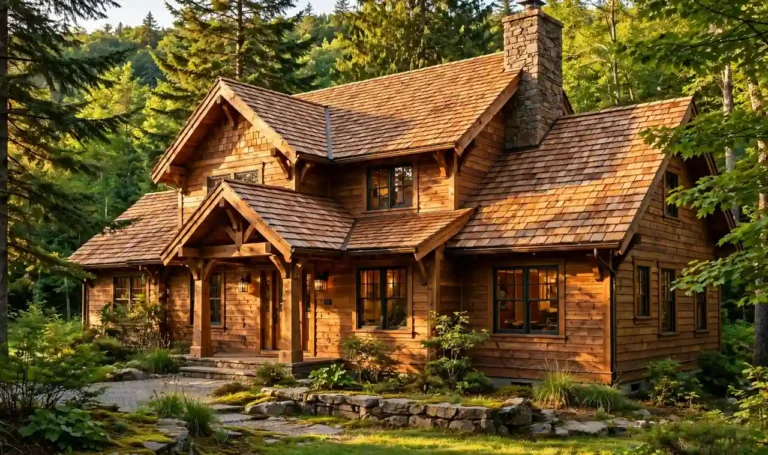
Cedar shakes give a pergola a warm, cabin like roof that smells good on a hot day. The small wooden shingles overlap to shed rain, and they weather to a grey brown that sits well in a garden full of green.
Shakes need a solid deck under them, so this is a heavier build than open beams. Done right, a cedar shake roof can last twenty years or more with only an occasional cleaning.
8. Glass Roof Panels
Glass is the boldest choice on this list, and the most striking. Tempered glass panels let you watch clouds drift by from your outdoor sofa, and they keep every drop of rain out. A pergola with a glass roof feels like a conservatory without the walls.
Use laminated tempered glass for safety, and slope the panels slightly so rain washes dust away.
9. Vine Covered Living Roof
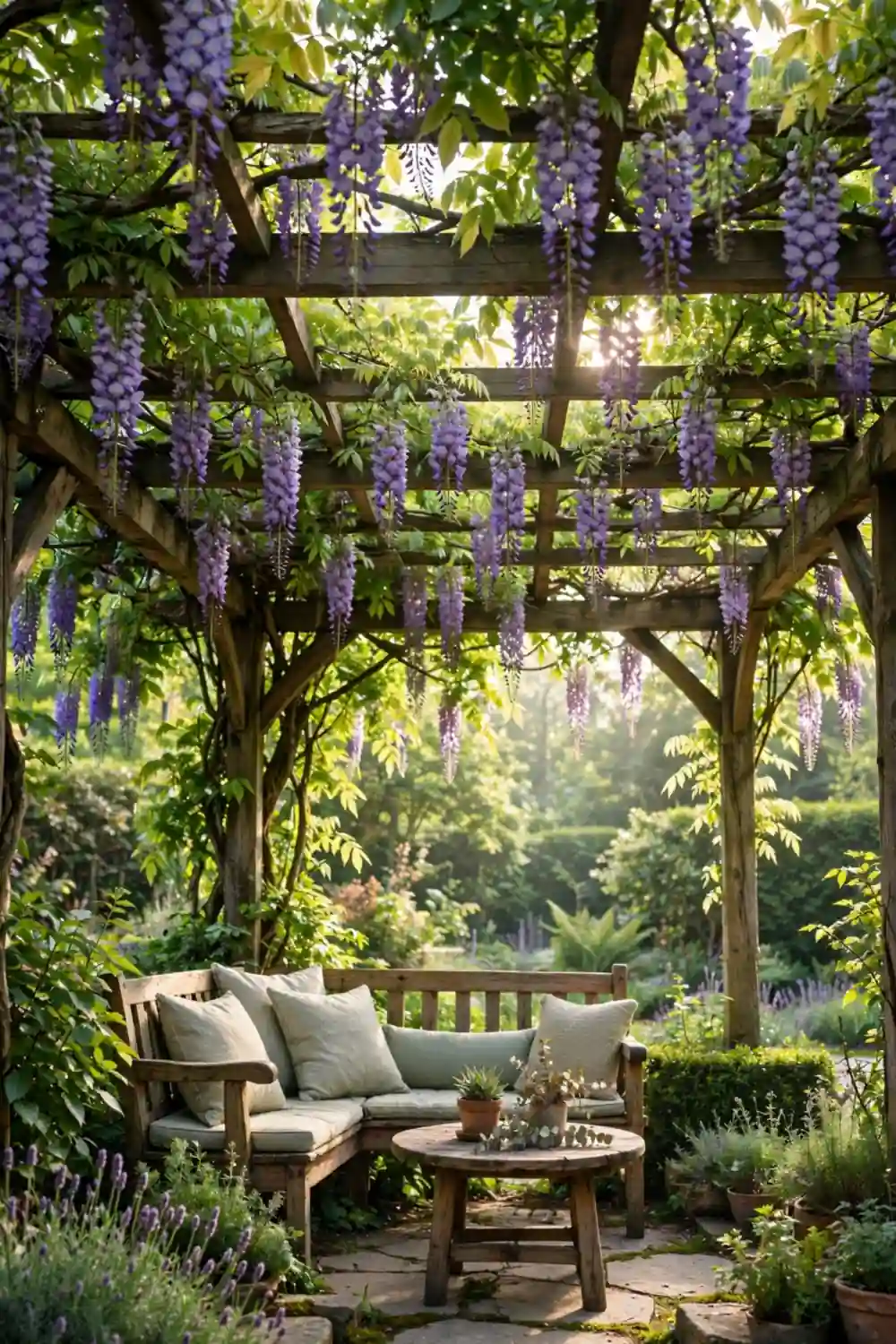
Let the plants do the roofing. Wisteria, grapevine, jasmine, or climbing roses trained over open rafters create a living canopy that thickens every year. In summer you get cool green shade, and in winter the bare vines let the sun back in.
This is the slowest option here. A wisteria can take two or three seasons to fill in, and you will prune it every year.
10. Corrugated Metal Roof
Corrugated panels are cheap, tough, and quick to install. They suit farmhouse and rustic yards, and the wavy profile adds a bit of texture overhead. A galvanized finish looks industrial, while painted panels in cream or sage soften the look.
Rain noise is the main drawback, and the fix is simple. A layer of plywood decking or insulation board between the panels and the rafters quiets things down a lot.
| Corrugated Metal | Standing Seam Metal |
|---|---|
| Lower cost, easy to install yourself | Higher cost, usually needs a pro |
| Rustic farmhouse look | Clean modern look |
| Screws show and need resealing | Hidden fasteners, fewer leak points |
11. Sail Shade Over an Open Pergola
A triangle or rectangle of shade cloth stretched over the rafters is the fastest roof on this list. You can hang one in an afternoon with a few hooks and turnbuckles, and take it down just as fast when winter comes.
Sail shades block UV and soften the sun, but most are not fully waterproof. Look for HDPE fabric with a high UV rating, and stretch it tight with a slight twist so water runs off instead of pooling in the middle.
12. Adjustable Slatted Wood Cover
Fixed slats sit between open beams and a full roof. Narrow wooden slats set close together block most of the sun while still letting air move through, which keeps the space underneath cooler than a solid cover would.
Angling the slats toward the afternoon sun gives you the best shade for the least material. This is a good weekend project if your pergola frame is already solid.
13. Insulated Aluminum Roof Panels
Insulated panels sandwich foam between two sheets of aluminum, which makes them light, strong, and cool underneath. They are the workhorse choice for pergolas that sit in full sun all day, and they cut the heat radiating down onto your seating by a wide margin.
The panels come in set widths and lock together with a tongue and groove edge, so installation is straightforward. They are not the prettiest roof up close, so they suit modern and minimal yards best.
14. String Lights Woven Into the Rafters
This idea is less about the roof and more about what the roof lets you do after dark. String lights draped in gentle swags between the rafters turn a pergola into the best seat in the yard once the sun goes down. The roof above keeps the lights dry and the bulbs last longer.
Use outdoor rated LED strands with warm white bulbs, and hang them with a little slack so they sway instead of pulling tight.
15. Bamboo Pole Cover
Split bamboo poles laid side by side make a light, natural roof with a lovely striped pattern of shade. It suits Asian inspired gardens and tropical planting, and the material costs very little.
Bamboo weathers fast outdoors, so treat it with an exterior sealer and plan to replace poles every few years.
16. Green Roof with Sedum and Grasses
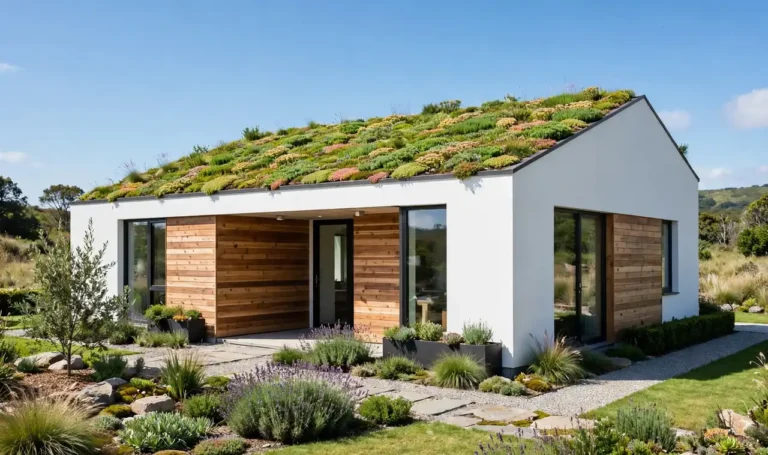
A living roof of sedum, low grasses, and small wildflowers turns your pergola into part of the garden. The plants insulate the space below, soak up rain, and bring bees and butterflies right overhead. In spring the roof itself becomes the prettiest thing in the yard.
Weight is the first thing to check. Wet soil is heavy, so the frame needs to be built for it, and a waterproof membrane under the planting layer is not optional. If the idea appeals to you, these green roof ideas show how the same planting works on a house roof.
Before you plant the roof
17. A Skylight Strip Down the Middle
A solid roof with a clear strip running down the center gives you the best of both worlds. The sides keep rain and sun off your seating, while the skylight lets a ribbon of daylight fall across the table below.
Polycarbonate or glass both work for the strip. Keep it narrow, about a foot wide, so the roof still feels solid overhead.
18. Copper Accent Roof
Copper is the showpiece choice. A copper roof over a pergola starts out bright and warm, then slowly turns a soft green patina over the years. It pairs beautifully with dark wood posts and stone patios, and it lasts for decades with no maintenance at all.
The cost is the catch. Copper runs well above steel or aluminum, so many people use it as an accent instead, a copper ridge cap or trim strips on a darker metal roof.
19. A Roof That Carries a Fan and Heater
A solid pergola roof can hold more than itself. Mount a ceiling fan to the beams and the space stays comfortable on still summer evenings. Add an infrared heater and you can sit outside through the first cold weeks of autumn.
Plan the wiring before the roof goes on, since running cables afterward means lifting panels. A porch roof follows the same logic, and these front porch roof ideas show how the two spaces can share one style.
The right Pergola Roof is the one that matches how you actually use your yard. If you eat outside most nights, go for solid rain cover. If you love open sky, pick louvers or a canopy you can pull back.
Save this list for the next time you plan an outdoor project. Your pergola is already standing. All it needs is the right roof over it.