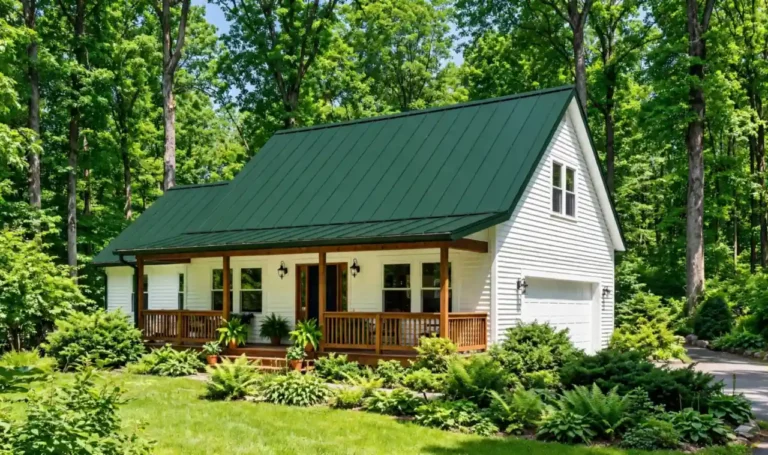
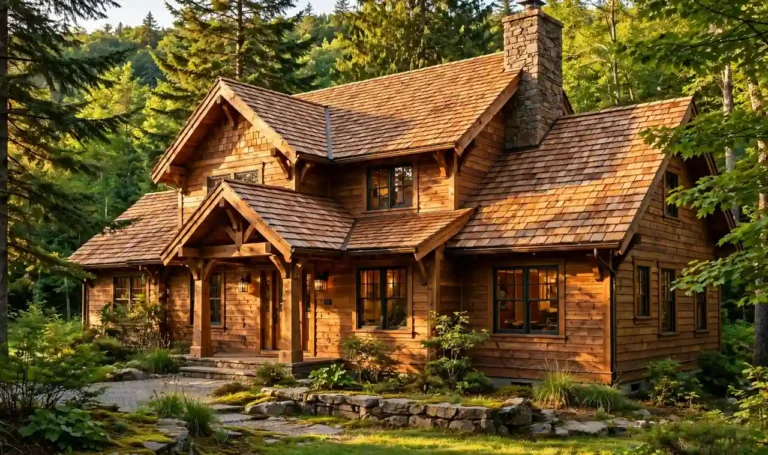
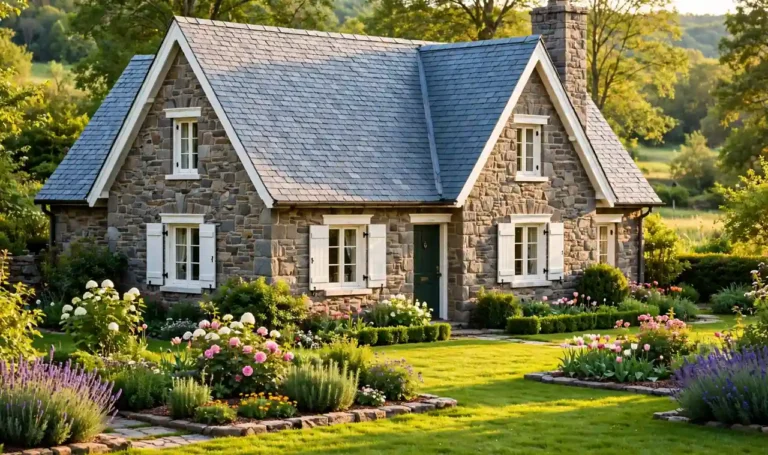
Most roofs do one job. They keep the rain out and sit there, bare and hot, doing nothing else for the house below. A Green Roof asks more of that space. It turns the roof into a living layer of plants that cools the rooms underneath, soaks up rain, and gives birds and bees a place to land.
The idea sounds grand, but it starts small. A shed roof, a garage, or one flat section of a house is enough to begin. You do not need a flat roof or a big budget. Sedum mats, trays, and tough native plants have made living roofs something a regular homeowner can actually plan.
These 19 ideas cover the whole range, from a simple sedum blanket to a rooftop herb garden you cook from. Pick the one that fits your roof, your climate, and how much care you are happy to give it.
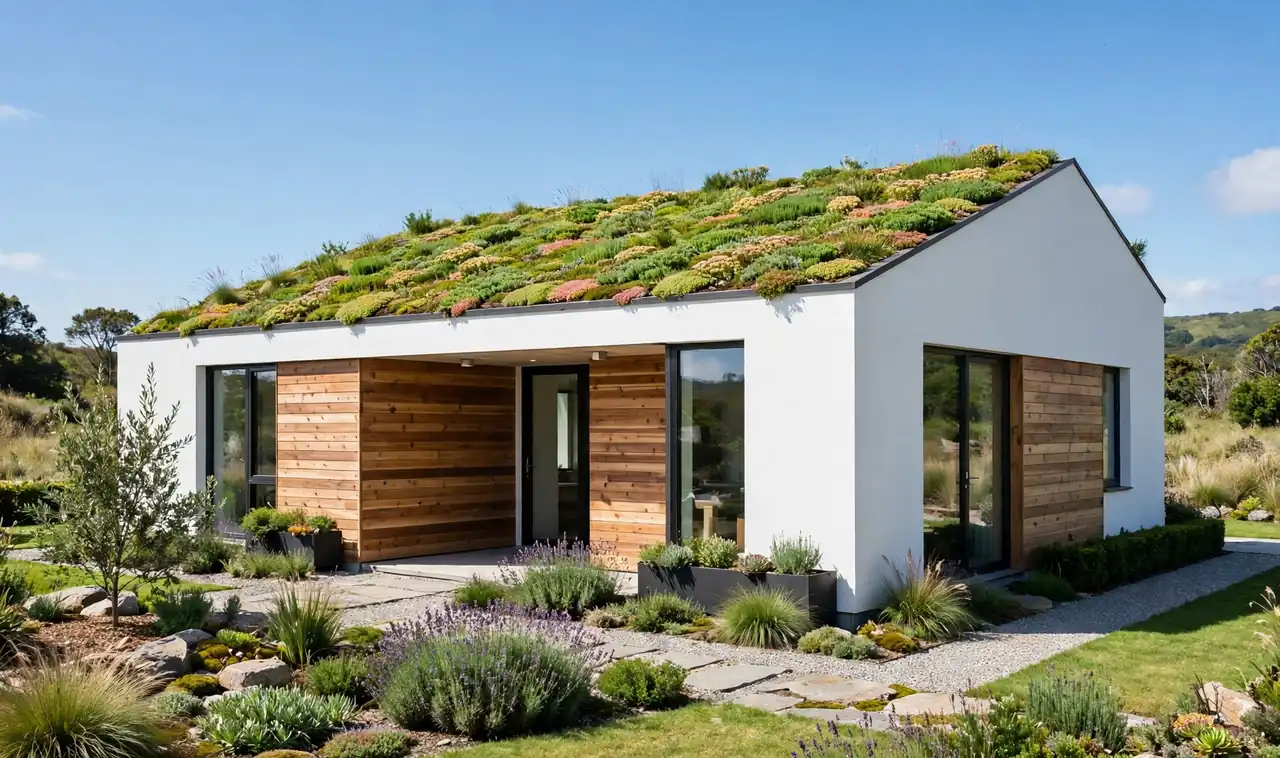
1. Start Simple With a Sedum Blanket
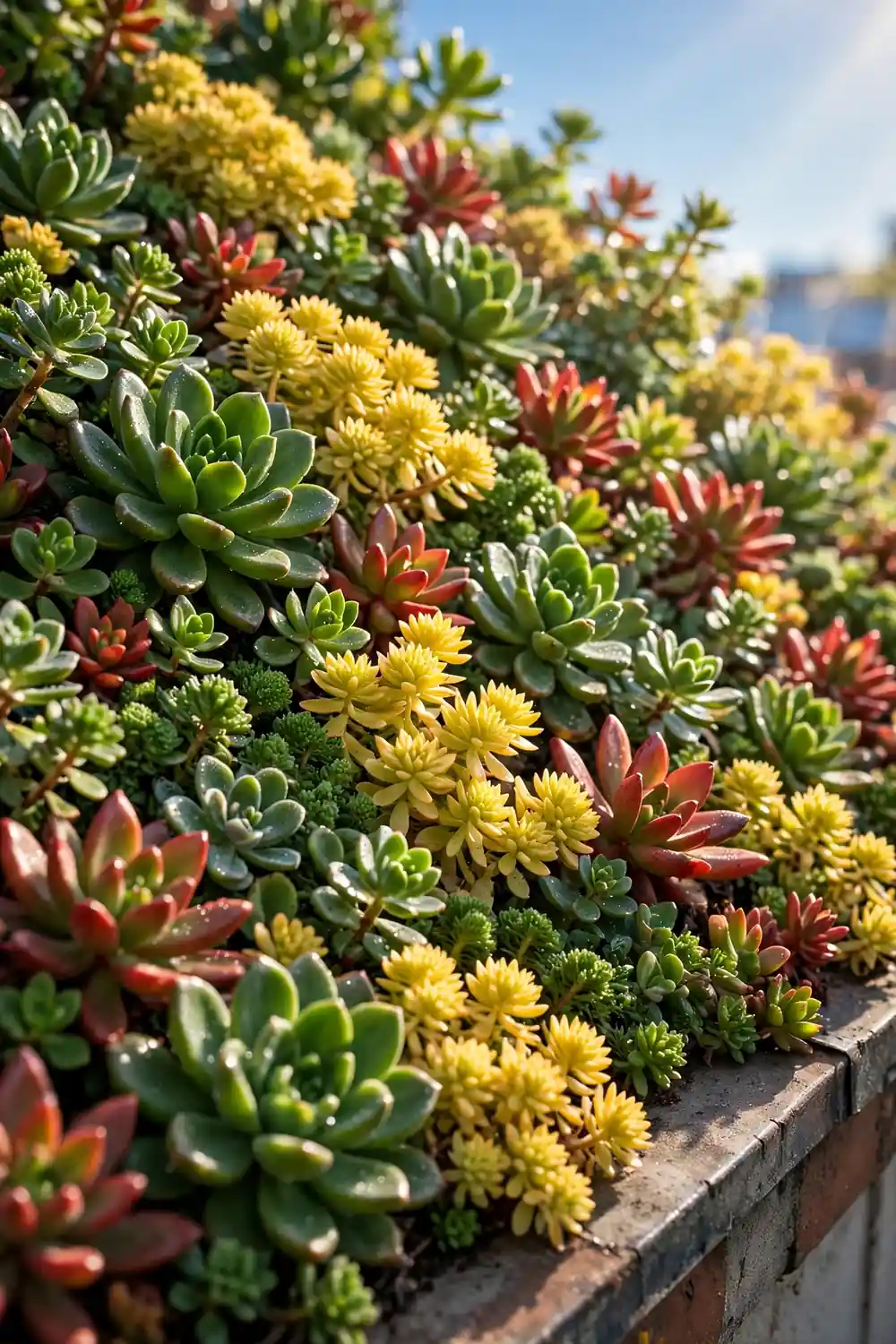
Sedum is the plant most green roofs start with, and for good reason. It is shallow rooted, drought tough, and happy in thin soil. A sedum blanket comes pre grown on a mat, so you roll it out like turf and the roof looks finished on day one.
The color shifts with the seasons, green in spring, gold and red in summer, soft rust in fall. Water it well the first few weeks, then let the rain take over. It is the lowest care living roof you can plant.
2. A Wildflower Meadow Roof
A wildflower roof trades neat rows for a loose, meadow look. Clover, poppies, cornflowers, and small grasses mix and shift through the year. From the street it reads as a soft green cap, and from an upstairs window it looks like a garden that floated up.
Meadow roofs need a little more soil than sedum, around four to six inches, and one good cut late in the season. Leave the cuttings for a few days so seeds drop back in, and the roof comes back thicker each year.
Good meadow picks for a roof
3. An Edible Rooftop Herb Garden
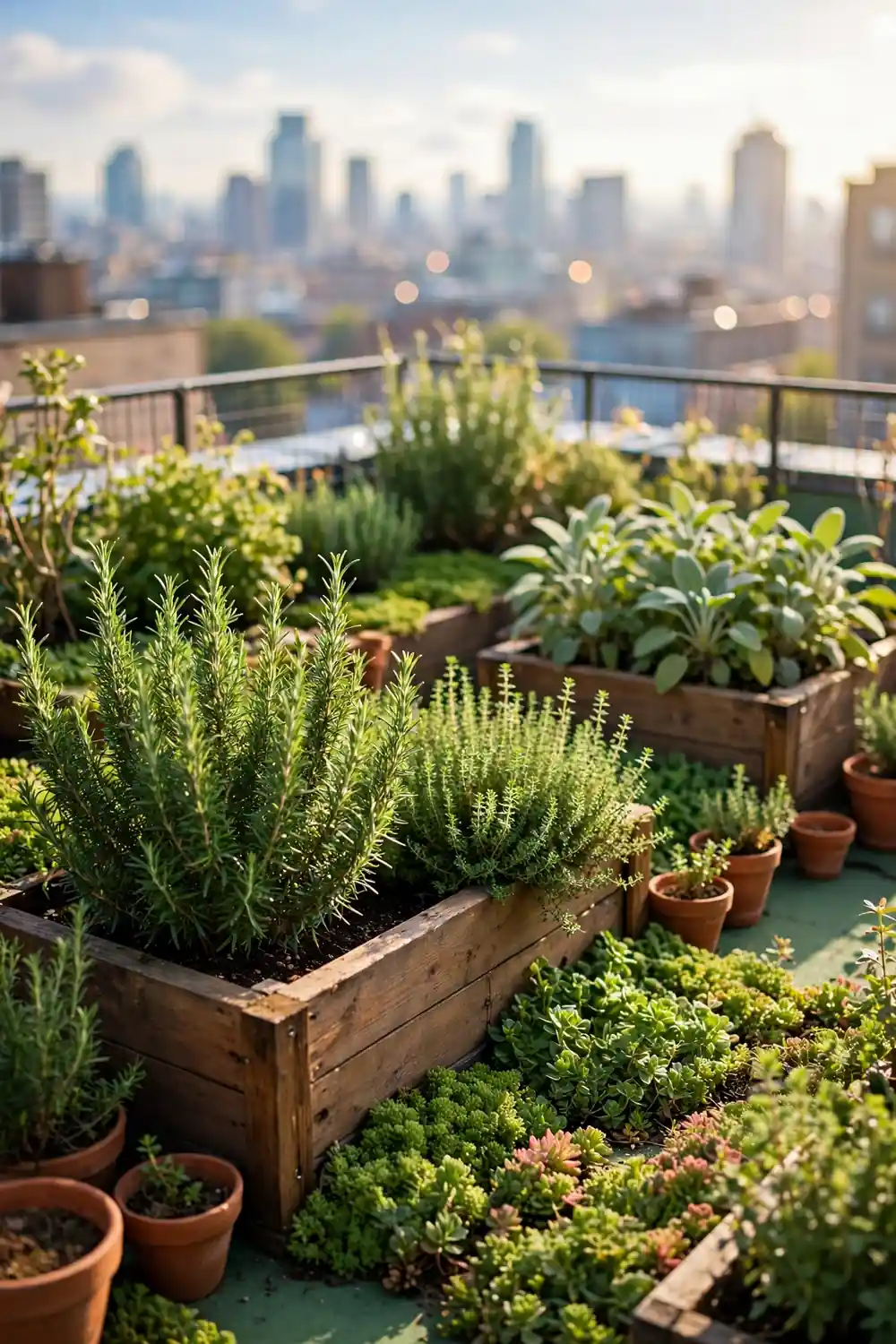
Herbs love a roof. They get full sun, sharp drainage, and moving air, which is exactly what rosemary, thyme, and sage want. Shallow raised beds or wide planters keep the soil contained.
Keep the beds close to the access point so you actually use them. Snip what you need for dinner and the roof pays for its keep every week of the growing season.
4. Moss for a Soft, Storybook Cottage Roof
Moss gives a roof the look of a cottage from an old storybook. It grows in cool shade, needs almost no soil, and turns a plain slope into a velvet green blanket. It suits small homes and cabins, and any roof that stays damp and shaded for part of the day.
Moss will not take hold on a hot, dry, south facing slope, so check your light first. On the right roof it asks for almost nothing and looks better every year. See these forest green roof ideas for colors that sit well beside living moss.
5. Turn the Garage Roof Green
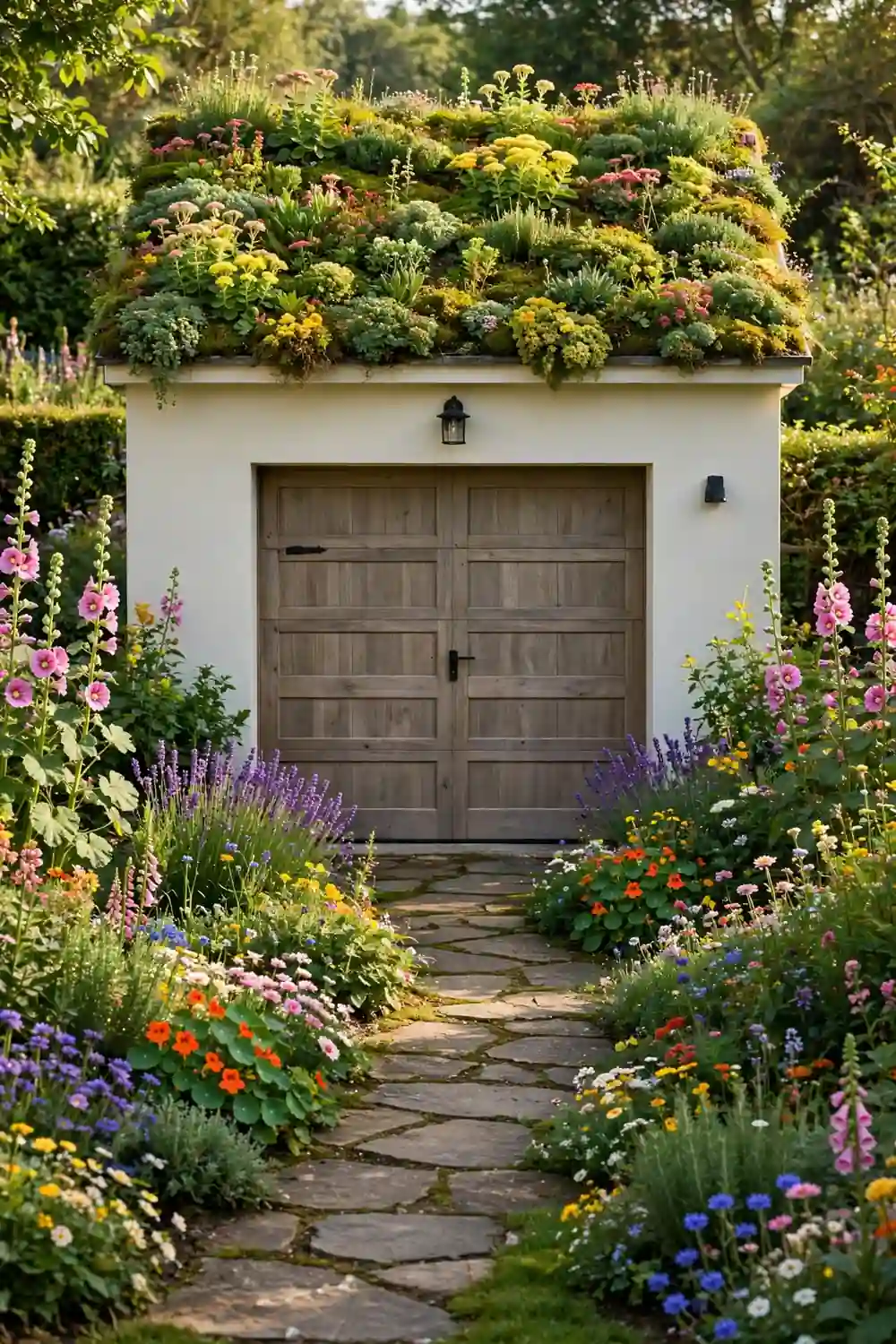
The garage roof is the most overlooked patch of green space on a property. It is usually flat or gently sloped, easy to reach with a ladder, and separate from the main house, a forgiving place to learn.
A sedum mat or planted trays turn it into a soft green lid the whole street can see from above. It also cools the garage itself, which matters if you use it as a workshop or gym.
Quick Tip
Before you plant anything, have a roofer confirm the roof can carry wet soil. A saturated green roof is heavy, and this is the one check you should never skip.
6. A Rooftop Vegetable Patch
Salad greens, cherry tomatoes, and peppers grow well on a roof in deep planters. The sun is strong up there, slugs rarely make the climb, and the beds warm up early in spring.
Keep the soil at least eight inches deep for most vegetables, and plan a simple watering routine. A drip line on a timer saves daily trips up the ladder and keeps plants steady through hot weeks.
7. Native Grasses That Take Care of Themselves
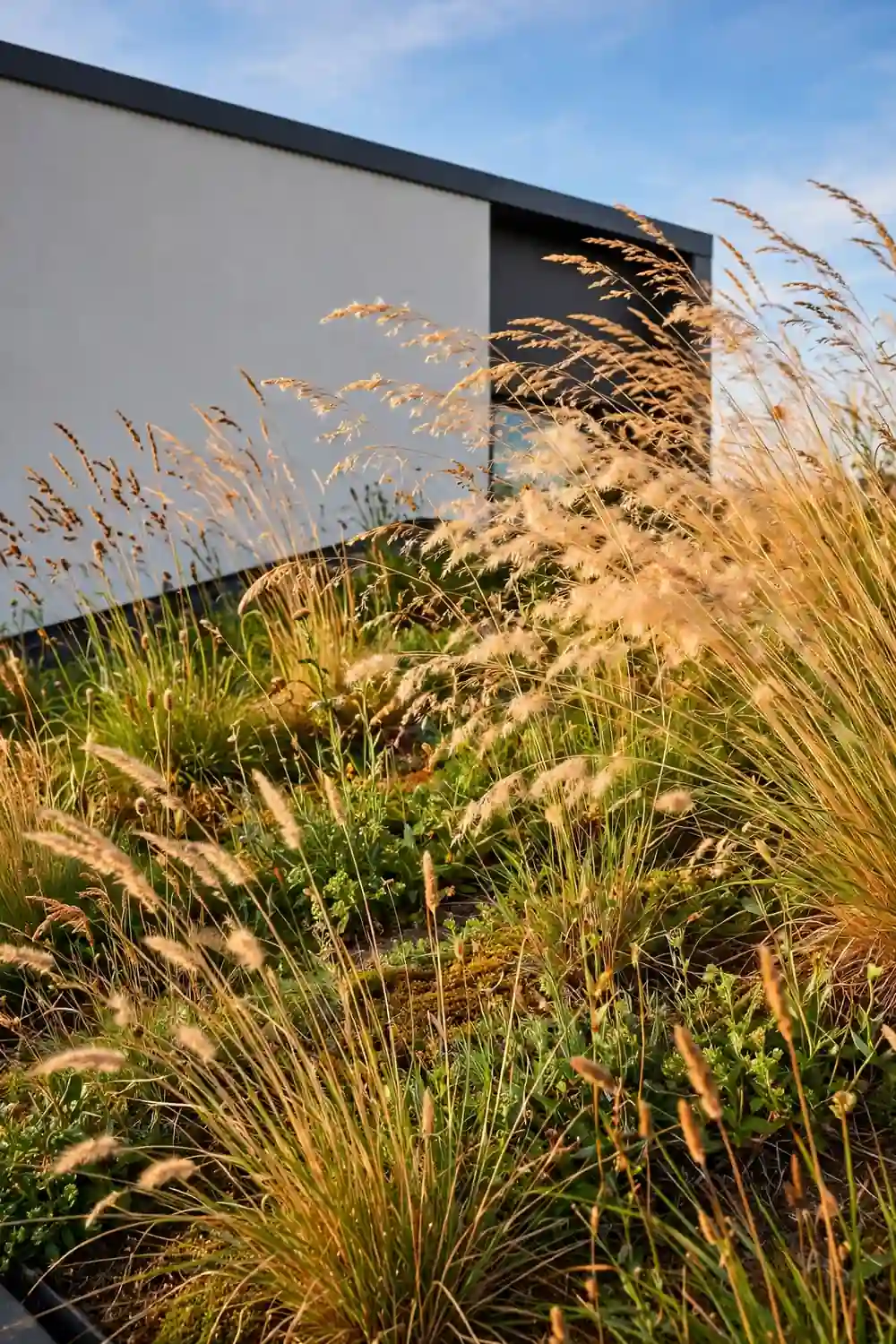
Native grasses are the quiet choice for a living roof. They already grow in your climate, so they handle your winters and dry spells without extra help. Blue fescue, prairie dropseed, and little bluestem all stay low and neat.
By late summer the look is soft and golden, and the seed heads catch the light. Cut them back once in early spring and they return on their own. This is the pick for a roof you can mostly forget about.
8. Green Up the Garden Shed
A shed roof is the smallest, cheapest place to try a green roof. One weekend and a few trays of sedum turn a plain box into a little green building. It is also a safe way to learn the layers before you try a bigger roof.
Start with a waterproof membrane, a drainage layer, then your trays or mat. Check the shed frame first, since older sheds were not built for extra weight.
Check the frame and add a waterproof membrane.
Lay a drainage mat so water never pools on the roof.
Set sedum trays or a mat on top and water well.
9. Ferns for a Shady North-Facing Roof
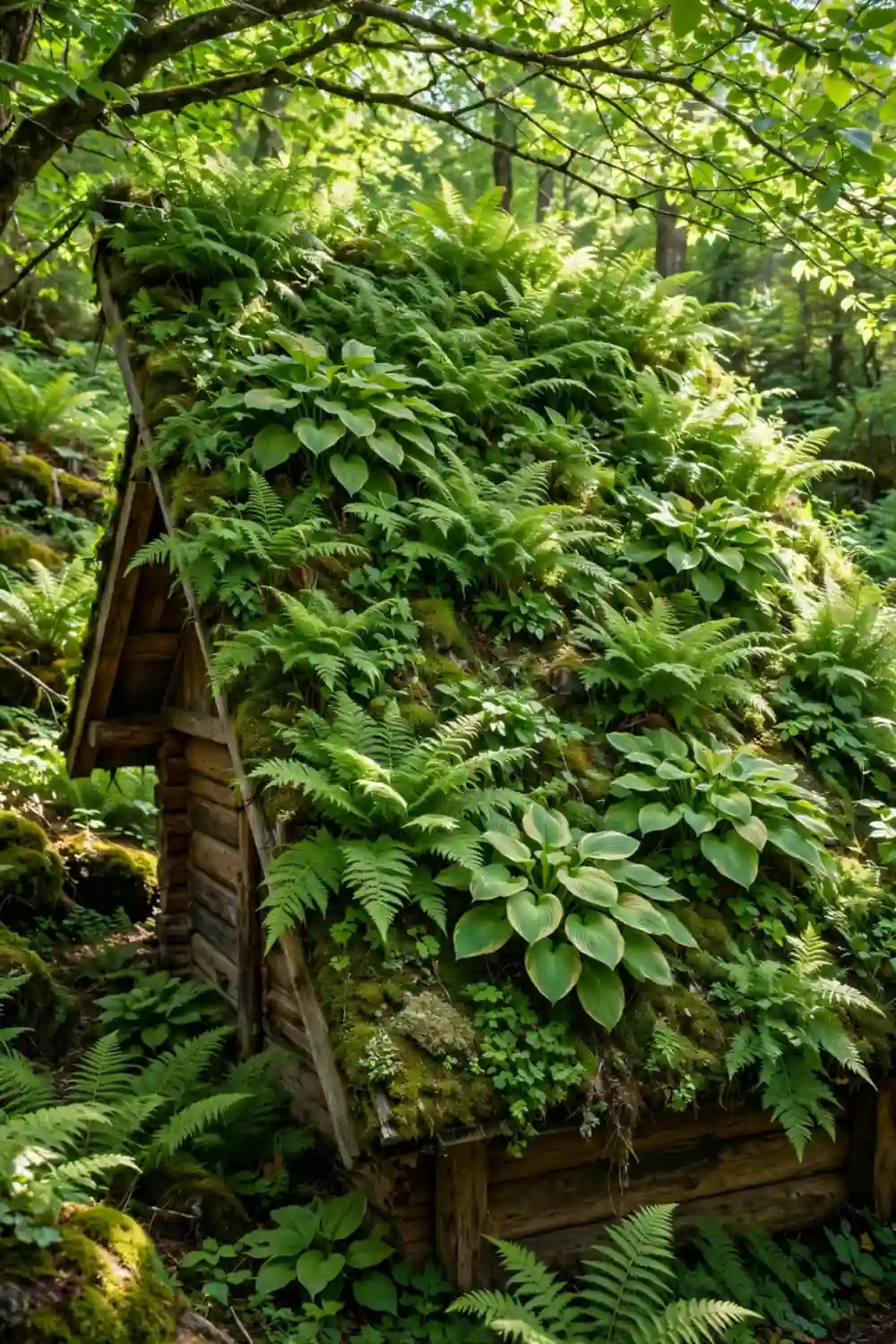
Not every roof gets full sun, and that is fine. A north facing or tree shaded roof suits ferns and hostas. Their soft fronds turn a dim slope into a cool green surface that looks good even on a grey day.
Shade roofs hold moisture longer, so drainage matters even more here. Use a free draining mix and keep the soil shallow, and the roof feels like a woodland floor above your head.
10. A Pollinator Roof Full of Flowers
A roof planted for bees and butterflies does real work for the street. Lavender, sedum, echinacea, and clover bloom in turn from spring to fall, so there is always something in flower. The roof becomes a rest stop for pollinators crossing the neighborhood.
Skip pesticides entirely up here. The whole point is a safe patch of food, and a sprayed roof helps no one. Choose single, open flowers, since bees reach nectar in open blooms far more easily.
11. Pair Your Green Roof With Solar Panels
Green roofs and solar panels get along better than most people expect. The plants cool the air around the panels, and cooler panels run better on hot days. The panels shade parts of the planting, which suits shade tolerant sedum and grasses.
Raise the panels on frames so plants grow beneath them and rain still reaches the soil, and leave clear paths for cleaning. For the solar side of the pairing, see these solar roofing ideas for modern homes.
| Solar alone | Solar plus green roof |
|---|---|
| Panels heat up in strong sun | Plants cool the air around panels |
| Rain runs straight off the roof | Soil and plants hold back rainwater |
| Bare roof, no habitat | A home for bees and birds too |
12. A Rooftop Lawn for Bare Feet
A flat roof can hold a real lawn, and it changes how the house feels in summer. The grass cools the rooms below, softens rain noise, and gives you a green place to sit.
Use tough turf grass that handles sun and foot traffic, and keep the soil around four inches deep. You will mow it with shears or a mower, and water it in dry spells, but the payoff is a lawn with a view.
13. A Green Roof With a Rain Garden Edge
A green roof already slows rain down, and a rain garden at the base takes it further. Water that runs off the roof flows into a shallow planted dip, where it soaks into the ground instead of flooding the drain.
Plant the dip with rushes and iris. The two systems work as one: the roof holds the first rain, and the garden takes the rest. It is a tidy answer for yards that puddle after storms.
14. Succulents for Hot and Dry Climates
In a hot, dry climate, a green roof needs plants that treat drought as normal. Hens and chicks, aloe, and ice plant store water in their leaves and shrug off weeks without rain. Their shapes and colors are a bonus, from blue grey rosettes to pink blooms.
Give them sharp drainage and full sun, and resist the urge to overwater. These plants rot in wet soil far faster than they suffer in dry soil.