On the hottest afternoons, your roof can reach temperatures far above the air around it, and that heat does not stay outside. It soaks through the attic, warms the rooms below, and keeps your air conditioner running long after sunset. Many homeowners blame old windows or thin insulation, but the roof is often the bigger problem. A dark roof absorbs sunlight all day and turns your home into a slow oven.
A Cool Roof works the other way. It reflects sunlight and releases the heat it does absorb, so the surface stays much cooler and your home follows. You do not need a full tear off to get there. Some ideas below are full roof replacements, and others are coatings, shades, and simple upkeep moves.
1. Bright White Membrane Roof
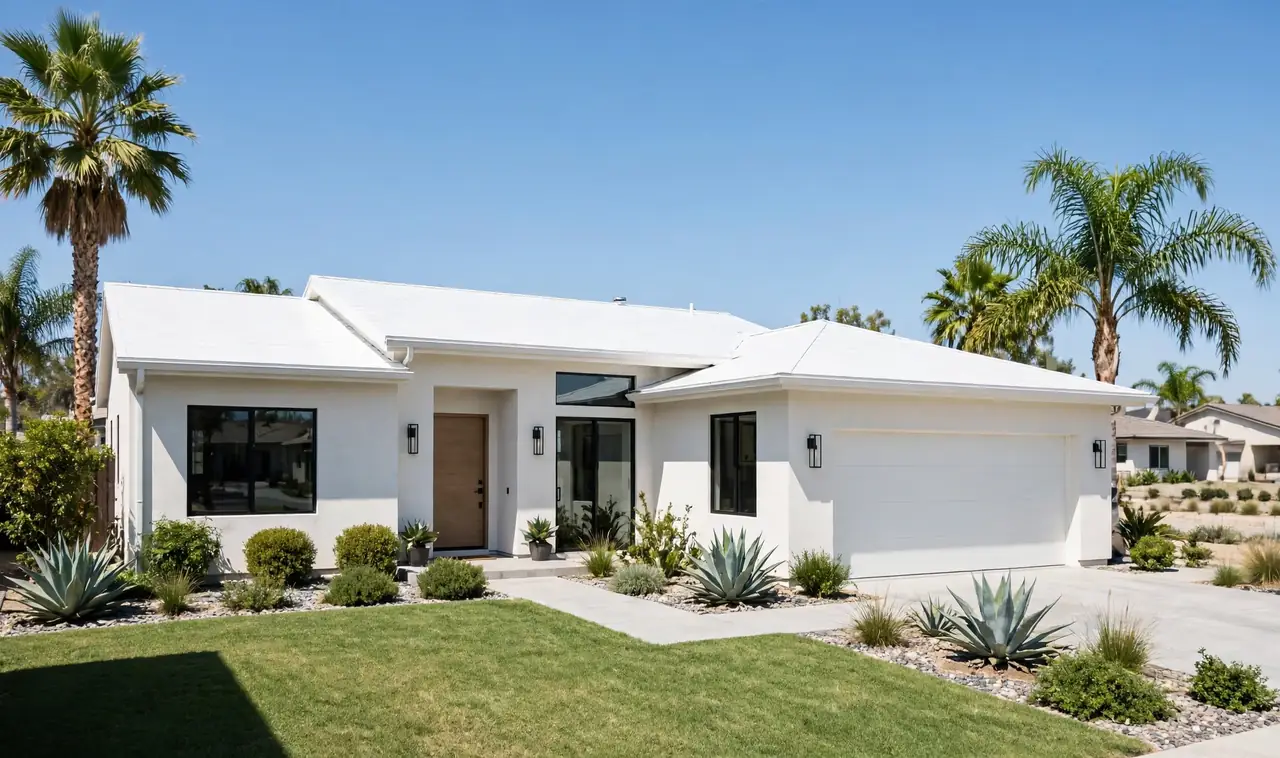
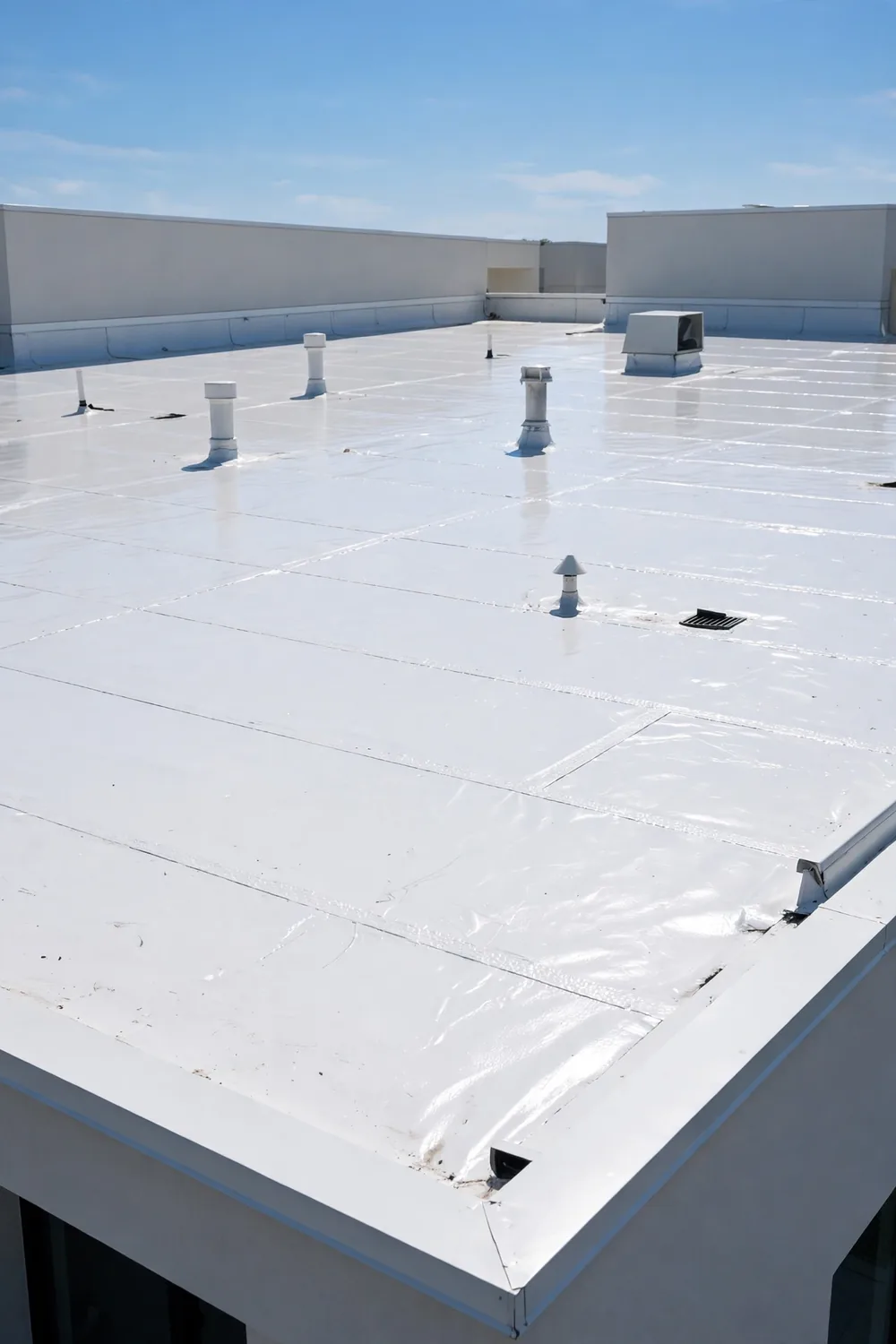
A white TPO or PVC membrane is the simplest way to get a roof that reflects most of the sun. The bright surface bounces heat away instead of soaking it in, which keeps flat and low slope roofs far cooler through the afternoon. It also shows dirt fast, so plan on a rinse each spring.
Ask for a bright white sheet with a high solar reflectance rating, and check that your roof has a slight slope so rain drains instead of ponding.
2. Light Gray Standing Seam Metal Roof
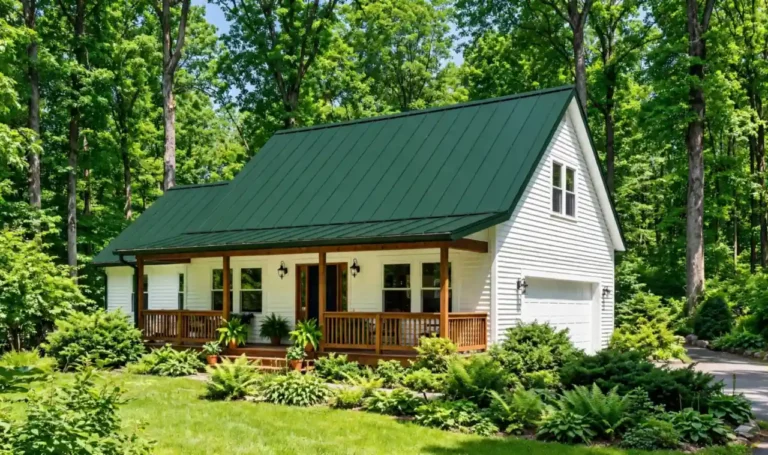
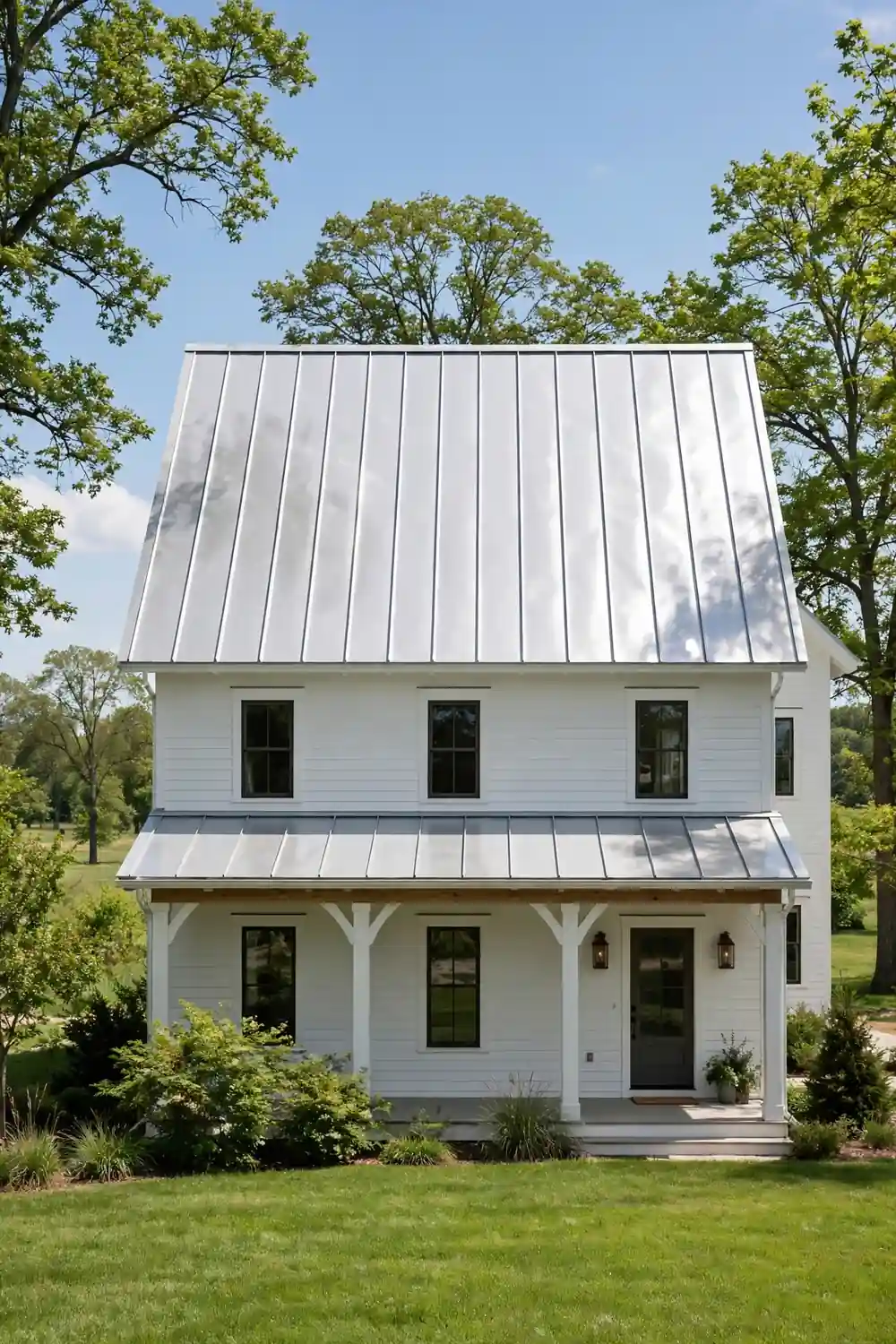
Standing seam metal in a pale gray or silver finish gives you the clean lines of a modern roof with real cooling power. The coated metal reflects sunlight, and the raised seams let air move across the surface. It lasts for decades, and it sheds rain and snow without fuss.
Color matters more than most people expect. A light silver or pale gray panel can stay far cooler than the same roof in charcoal. If you like the look of metal, standing seam metal roof ideas show how the same panels suit farmhouses, cabins, and modern homes alike.
Quick Tip
Ask any roofer for the Solar Reflectance Index, or SRI, of the material you are considering. A higher number means a cooler roof, and it lets you compare two light colors honestly instead of guessing by eye.
3. Pale Clay Tile Roof
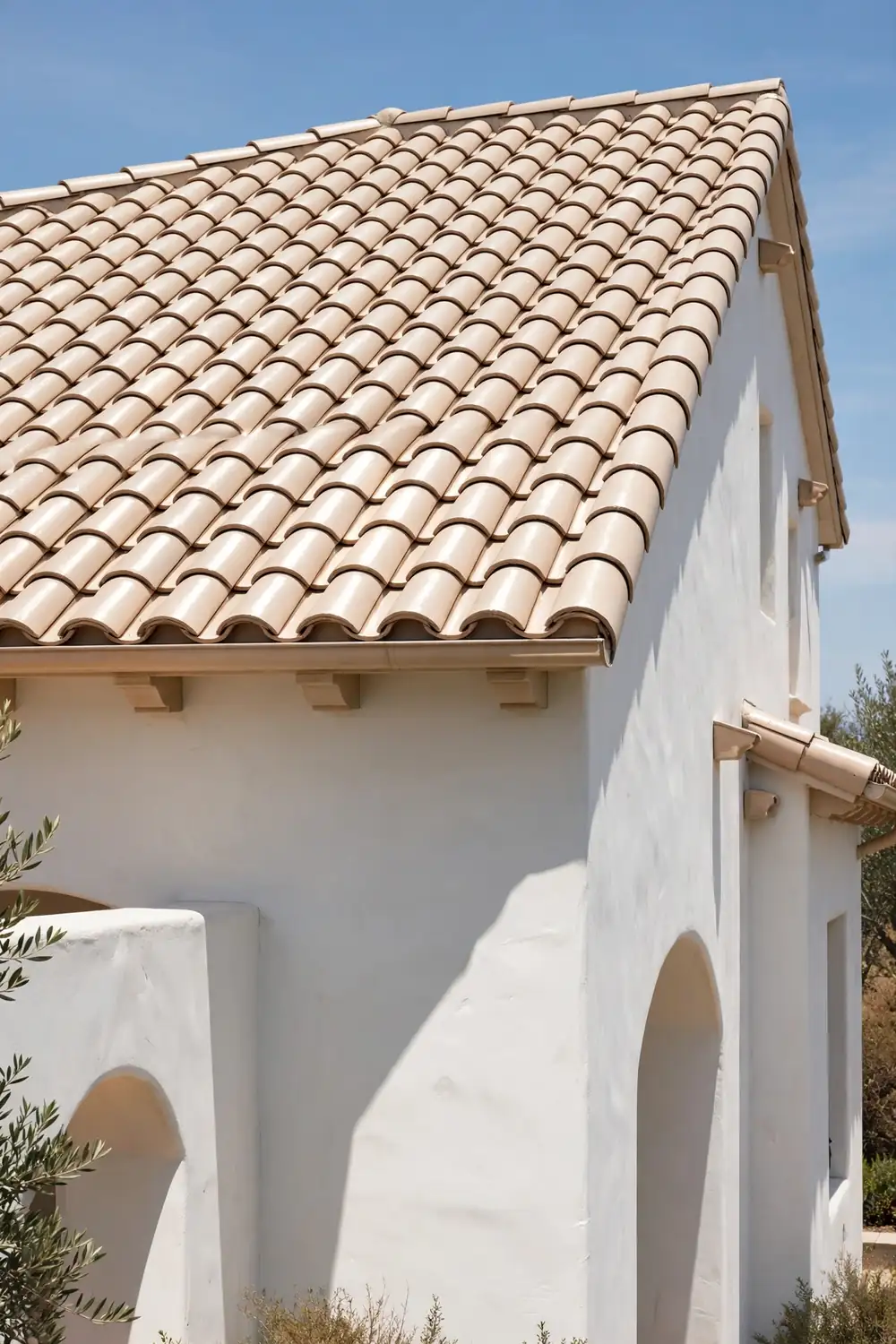
Clay tiles in pale sand, cream, or soft blush reflect sun far better than dark tile, and the curved shape leaves air gaps under each row. That air gap acts like a second layer of protection, carrying heat away before it reaches the deck. The look suits Mediterranean and Spanish style homes best.
Clay is heavy, so have a roofer check that your framing can carry it. The tiles last a very long time, and a broken one can be swapped out on its own.
4. Reflective Elastomeric Cool Roof Coating
If your roof is sound but dark, a white elastomeric coating can turn it into a Cool Roof without a tear off. The thick liquid rolls on like paint and dries into a bright, flexible skin that reflects sunlight and seals small cracks at the same time. It works on flat roofs, metal roofs, and older shingles in fair shape.
Prep is the whole job. Clean the surface, fix soft spots, and apply two coats on a dry, mild day. Most coatings need a fresh coat after several years.
5. Light Colored Asphalt Shingles
Asphalt shingles are the most common roof in the country, and switching to a light gray, pale tan, or soft white shingle is the easiest cool upgrade at replacement time. You keep the familiar look and the familiar price, and the lighter granules reflect more sun than the usual dark charcoal.
Look for shingles labeled cool or solar reflective. They use granules made to bounce back more infrared light, and the price gap over standard shingles is small.
| Dark Roof | Light Cool Roof |
|---|---|
| Soaks up sun and heats the attic fast | Reflects much of the sun back to the sky |
| Air conditioner runs longer each afternoon | Rooms stay cooler with less cooling |
| Shingles age faster in constant heat | Cooler surface puts less stress on materials |
6. White Concrete Tile Roof
Concrete tiles cost less than clay and come in the same pale colors. A white or light gray tile reflects sun well, and the thick tile adds thermal mass that slows heat moving into the house.
Like clay, concrete tile is heavy and needs solid framing. It pairs well with stucco, brick, and stone homes.
7. Solar Panels Over a Light Roof
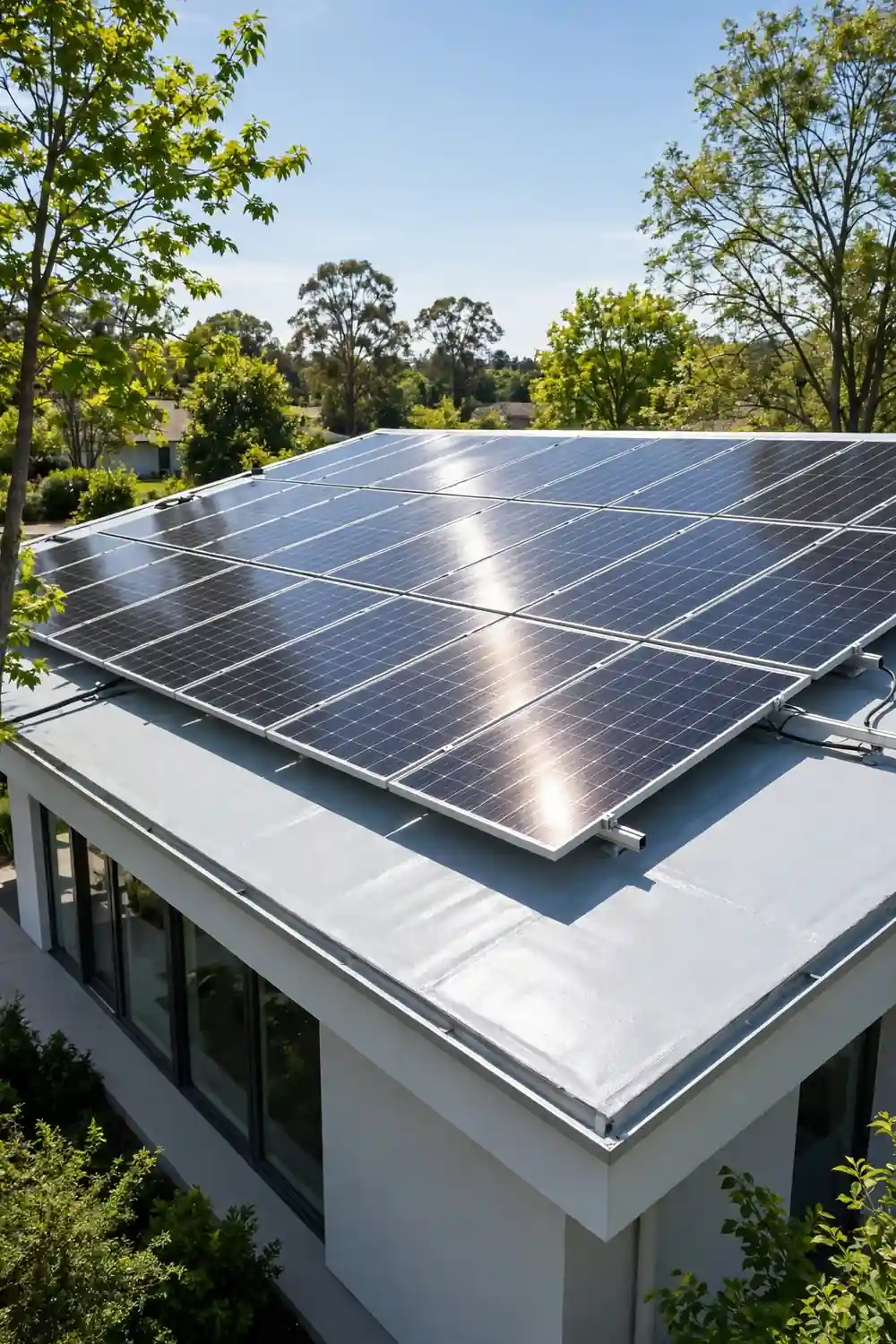
Solar panels do double duty. They make power, and they shade the roof underneath them, which can drop the temperature of the covered area by a wide margin. Put them over a light colored roof and you get shade plus reflection in one setup.
Panels sit on rails with a gap underneath, so air flows between the panel and the roof and carries heat away. If you are weighing solar, solar roofing for modern homes walks through how panels and roof materials work together.

8. Living Green Roof
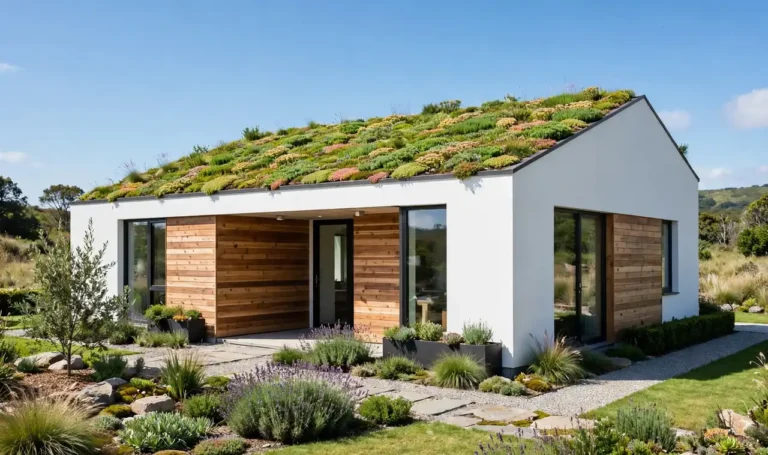
A green roof covers the surface with soil and low plants, and the living layer cools in two ways. The plants shade the roof, and water leaving the leaves pulls heat out of the air. On a flat or low slope roof, even a thin layer of sedum makes a real difference on summer afternoons.
Green roofs need a waterproof membrane, a drainage layer, and plants that can handle sun and dry spells. Green roof ideas cover the plant choices and buildups that work on a real home.
Check before you plant a roof
9. Cool Metal Shingles With a Reflective Finish
Not everyone wants the long straight lines of standing seam. Metal shingles come stamped in shapes that copy slate, shake, and tile, and the factory coatings in light colors reflect sun just as well. You get the look of a classic roof with the cooling and long life of metal.
Metal shingles weigh far less than real slate or tile, so most homes can take them without extra framing.
10. Pastel Cool Roof Paint
White is the coolest color, but it is not the only one. Pale blue, soft sage, and light peach roof paints still reflect far more sun than a dark roof, and they let the roof match the house instead of shouting from the street. The trick is keeping the shade light enough to matter.
Use paint made for roofs, not house paint, and expect to recoat every few years in strong sun.
11. Ventilated Double Skin Roof
A double skin roof adds a second surface above the real roof with a gap between the two layers. Sun heats the top layer, and air flowing through the gap carries that heat up and out at the ridge before it ever reaches the attic. It is common in hot climates for good reason.
The gap needs open eaves at the bottom and a vented ridge at the top, or the air will not move.
12. Light Slate Tiles
Natural slate in pale gray or soft blue gray is one of the longest lasting roofs you can buy, and the lighter stones reflect more sun than the familiar near black slate. Each tile is cut by hand, so no two roofs look quite the same.
Slate is heavy and costly, and it needs a roofer who knows the material. A fiber cement tile in a light slate color gives a similar look for less money and far less weight.
13. Pale Washed Cedar Shake
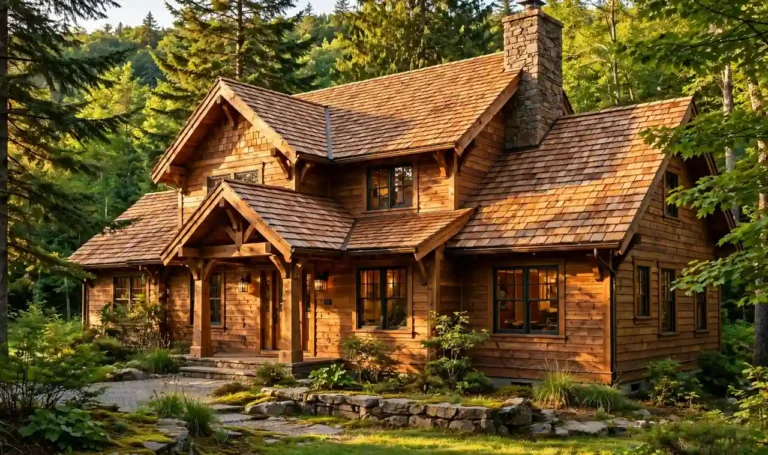
Cedar shakes weather to a soft silver gray on their own, and a pale wash speeds up that light, sun bleached look. The thick wood and the gaps between shakes let the roof breathe, which helps it dry fast after rain. It suits cottages, cabins, and homes with natural wood siding.
Wood needs care. Keep leaves off the roof, and check local fire rules before choosing shake in a dry region.
14. Radiant Barrier Beneath the Roof Deck
A radiant barrier is a sheet of reflective foil fixed under the roof deck or over the attic insulation. It does not change how the roof looks at all, but it bounces radiant heat back toward the roof instead of letting it sink into the attic. It is one of the cheapest cooling upgrades you can add during a reroof.
The foil needs an air gap on the shiny side to work. Laid flat against insulation with no gap, it does almost nothing.
15. White Gravel Ballast on a Flat Roof
On flat roofs with a membrane underneath, a layer of white or light gray gravel protects the membrane and reflects sun at the same time. The stones hold the membrane down in wind, shield it from foot traffic, and keep the surface much cooler than bare black rubber.
Use rounded, washed stone in a pale color, and keep the layer even. Dark gravel throws away the cooling benefit, so color is the whole point.
16. Light Ridge Cap and Trim Details
Small details add up. A light colored ridge cap, pale fascia, and white vent covers cut the dark patches that soak up heat along the edges of the roof. On a light roof, dark trim stands out and works against the cooling you paid for.
Ask the crew to match the ridge cap and vents to the roof color instead of defaulting to black.
Every dark patch on a roof is a small heater. The cooler the whole surface, trim included, the cooler the rooms below it.
17. Pergola Shade Over a Flat Roof Section
A pergola over a flat roof terrace or a low roof section shades the surface and gives you a usable outdoor room at the same time. The slats block direct sun for much of the day while still letting air move through, so the roof below stays far cooler than bare surface in full sun.
Run the slats across the path of the afternoon sun, and leave a gap between the pergola and the roof so hot air can escape.
18. Cool Granule Shingles
Cool granule shingles look like ordinary asphalt shingles, but the granules are made to reflect infrared light that your eyes cannot see. That means a medium gray or warm brown shingle can cool almost like a much lighter one, which helps when a white roof would look wrong on your home.
These shingles cost a little more than standard ones. Ask the supplier for the reflectance rating so you can compare brands honestly.
19. Wash the Roof and Keep It Reflective
Every cool roof slowly loses its edge as dust, pollen, and algae build up. A gentle wash once a year restores much of the reflectivity, and it lets you spot cracked tiles and loose seams before they turn into leaks.
- ▸Rinse with a garden hose and a soft brush, never a high pressure washer on shingles.
- ▸Clear leaves and branches so damp spots cannot stain the surface.
- ▸Recoat or repaint when the surface starts to look gray instead of bright.
A clean roof is a cool roof. The hour you spend on upkeep each spring protects the money you spent on the roof itself.
A cooler roof pays you back every summer. Lower cooling bills, rooms that feel comfortable by late afternoon, and a roof that ages more slowly all come from one simple idea: send the sun back where it came from. A Cool Roof does not have to be stark white or costly, and it does not have to mean a full replacement. Start with the idea that fits your roof today, and save this list for the day you plan the next step.