



Home improvement does not always require major renovations or expensive projects. In many cases, small and well-considered changes can significantly improve comfort, functionality, and overall satisfaction with a living space. Whether someone lives in a house, an apartment, or a temporary residence, thoughtful adjustments can help a home better support everyday routines. The key is focusing on usability rather than appearance alone.
Improving Comfort Through Practical Adjustments
Comfort in a home often comes down to details that are easy to overlook. Lighting placement, storage accessibility, and room layout all influence how smoothly daily activities unfold. Simple improvements such as reorganizing storage areas, adding task lighting, or adjusting furniture placement can reduce clutter and make spaces feel more open. These changes are especially useful for people who want to enhance their living environment without committing to long-term structural modifications.
DIY Improvements That Save Time and Effort
Many home improvements are well within reach of DIY enthusiasts and beginners alike. Installing shelves, upgrading cabinet hardware, or improving door insulation are projects that require minimal tools but deliver noticeable results. These upgrades can improve efficiency and reduce everyday frustrations. Practical DIY solutions are particularly valuable for people who expect flexibility in their living arrangements, including those considering options related to pronájem, where adaptability and ease of maintenance matter.
Making Spaces More Functional for Daily Use
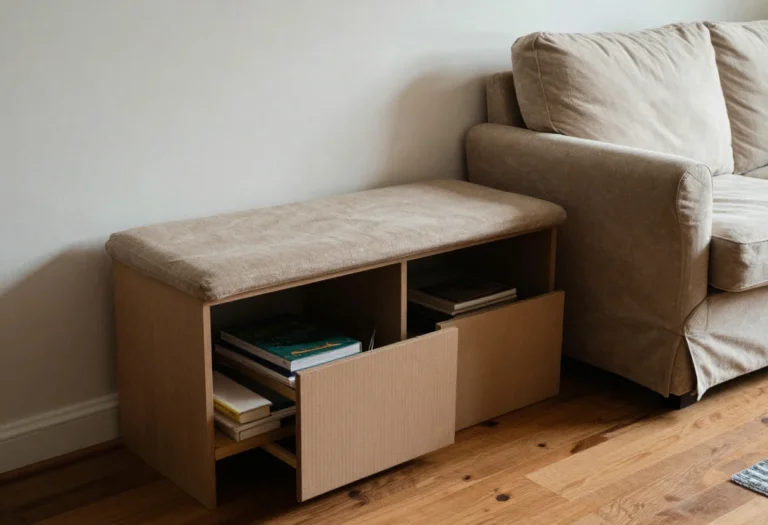
Functionality is one of the most important aspects of a well-designed home. Rooms that serve multiple purposes benefit from clear organization and adaptable layouts. For example, a small workspace can be created by rethinking underused corners, while entryways can become more efficient with hooks, benches, or compact storage units. These improvements do not change the structure of the home but greatly enhance how it is used on a daily basis.
Low-Cost Upgrades With Long-Term Benefits
Not all valuable improvements require significant investment. Sealing gaps around windows, upgrading to energy-efficient lighting, or adding smart power strips can reduce energy consumption and improve comfort. Over time, these small upgrades contribute to a more efficient and pleasant living environment. Focusing on long-term benefits rather than short-term trends helps ensure that improvements remain useful regardless of lifestyle changes.
Creating a Home That Adapts to Change
Life circumstances often change faster than housing conditions. A home that can adapt to different needs provides greater peace of mind. Modular furniture, neutral design choices, and flexible storage solutions allow spaces to evolve without constant rework. When home improvement focuses on adaptability, it supports a wide range of living situations and makes transitions smoother.
Practical Thinking as the Foundation of Home Improvement
The most effective home improvements are guided by practical thinking. Instead of aiming for perfection, successful upgrades focus on solving everyday problems. When changes are made with usability, maintenance, and flexibility in mind, they enhance not only the space itself but also the quality of daily life. Simple, thoughtful improvements often have the greatest impact, proving that making a home better does not have to be complicated.