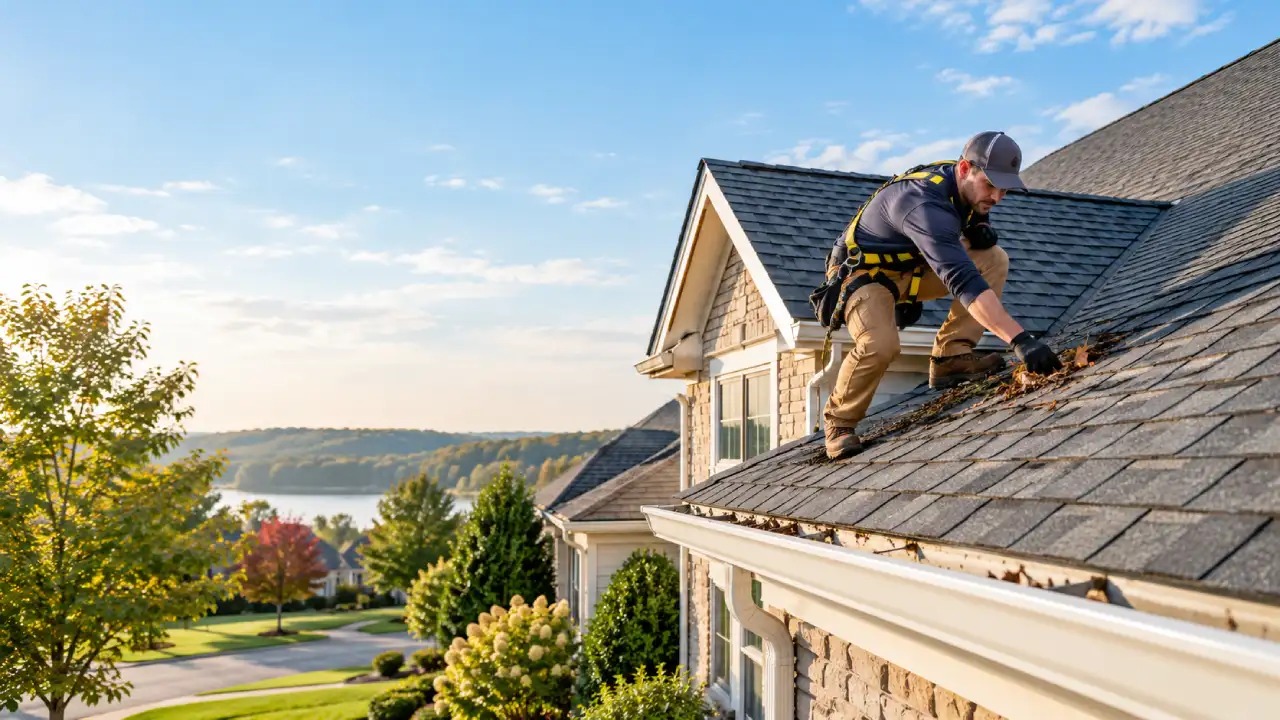
Your roof protects your home from rain, wind, heat, snow, and changing weather conditions. However, even a well-installed roof can deteriorate faster without proper care. Small problems such as clogged gutters, damaged shingles, or loose flashing can eventually lead to expensive repairs.
The good news? You don’t need to wait until your roof starts leaking to take action.
Following a consistent roof maintenance routine can help prevent avoidable damage, identify problems early, and extend the useful life of your roofing materials.
Whether you have an asphalt shingle roof or another residential roofing system, these seven practical tips can help you keep it in better condition.
1. Inspect Your Roof Twice a Year
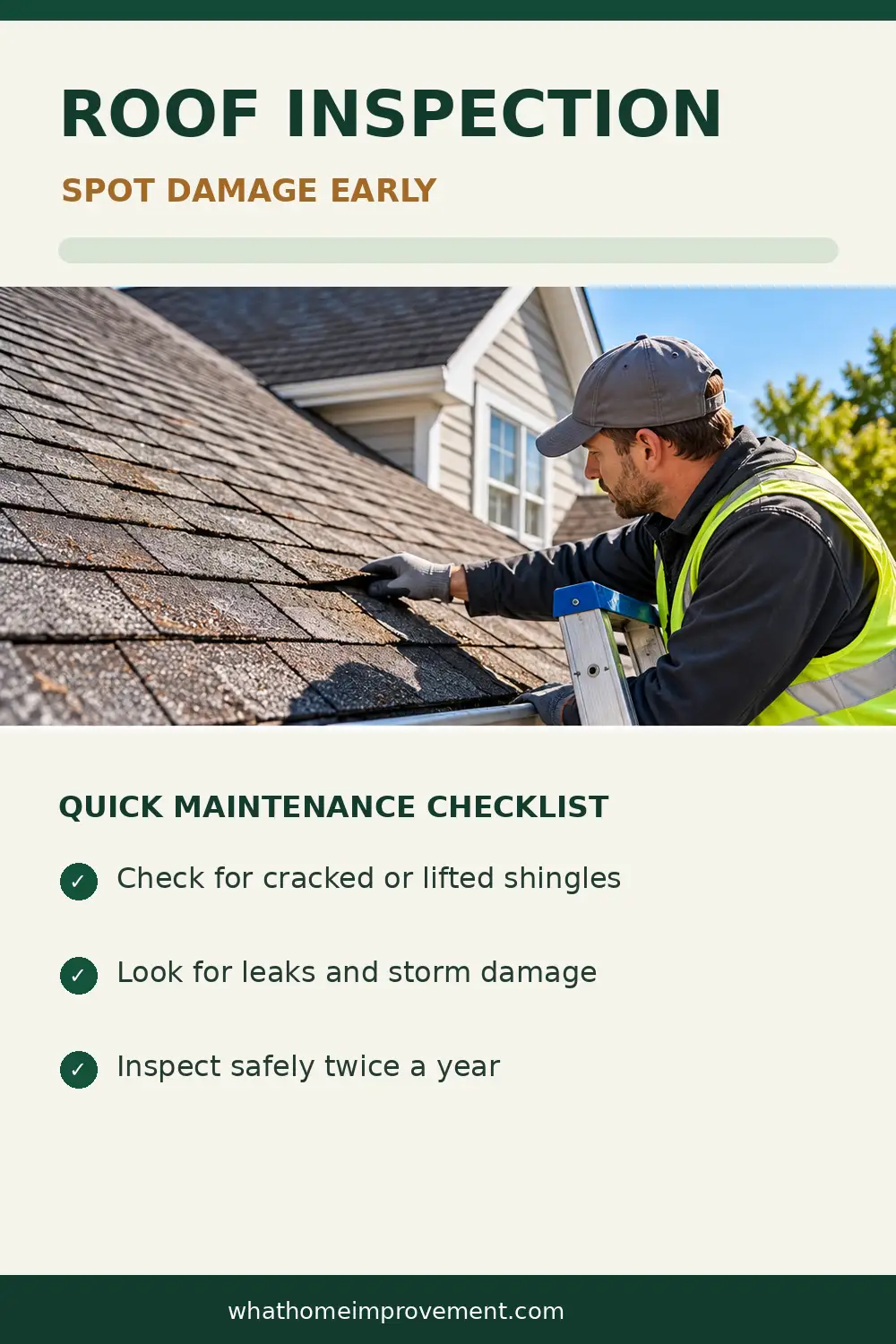
Regular roof inspections are one of the simplest ways to prevent minor problems from becoming expensive repairs.
Inspect your roof from a safe location at least twice a year, preferably during spring and fall. It’s also important to check for visible damage after strong winds, hailstorms, or heavy rainfall.
Look for these warning signs:
- Missing, cracked, curling, or damaged shingles
- Dark stains or unusual discoloration
- Loose or damaged metal flashing
- Debris collecting in roof valleys
- Sagging sections or uneven rooflines
- Water stains on ceilings or attic surfaces
Use binoculars from the ground or inspect from a safe window when possible. Avoid walking on the roof, especially if it is steep, wet, old, or damaged.
Helpful tip: Take photographs during each inspection. Comparing pictures over time can make it easier to identify changes.
2. Keep Gutters and Downspouts Clean
Clogged gutters are a common cause of preventable drainage problems around a home.
When leaves, dirt, twigs, and other debris accumulate inside gutters, rainwater cannot flow away properly. Water may overflow near the roof edges, damaging fascia boards, siding, and nearby building materials.
In colder climates, drainage problems can also contribute to ice-related roof damage.
How to maintain your gutters
- Check gutters during spring and fall.
- Remove leaves, twigs, and accumulated debris.
- Make sure downspouts direct water away from the building.
- Look for loose gutter brackets, rust, and leaking joints.
- Inspect more frequently if tall trees surround your home.
Homes beneath large trees may require gutter cleaning several times a year.
Helpful tip: After cleaning, confirm that water drains freely through the downspouts. Have a professional handle high or difficult-to-reach gutters.
3. Trim Overhanging Tree Branches
Trees can improve curb appeal and provide shade, but branches hanging directly over your roof may create maintenance problems.
During storms, heavy branches can break and damage shingles, gutters, or other roof components. Smaller branches may repeatedly scrape the roofing surface, while fallen leaves can trap debris and block drainage.
How to protect your roof from nearby trees
- Trim branches that touch or hang dangerously close to roofing materials.
- Remove dead or weakened limbs before storm season.
- Check nearby trees for branches that could fall during strong winds.
- Keep roof valleys and gutters clear of accumulated leaves.
- Use a qualified tree professional for large branches or difficult pruning work.
Do not attempt to cut heavy branches above your roof yourself.
Helpful tip: Keeping branches away from the roof may also discourage squirrels and other animals from accessing vulnerable roofing areas.
4. Remove Roof Algae, Moss, and Mold Safely
Have you noticed black streaks or green patches across your shingles?
These marks can have different causes. Dark streaks on asphalt shingles are frequently associated with algae, while thick green growth may indicate moss.
Moss can retain moisture and interfere with proper drainage. Persistent moisture can contribute to the deterioration of some roofing materials.
What should you do?
Start by identifying the type of growth and checking the recommendations provided by your roofing manufacturer.
Avoid aggressive scrubbing, high-pressure washing, or applying strong chemical mixtures without verifying that they are safe for your particular roofing system.
High-pressure cleaning can damage asphalt shingles and remove protective surface granules.
For widespread moss, recurring staining, or delicate roofing materials, consult a professional roof-cleaning contractor.
Helpful tip: Removing excessive shade and clearing debris can help reduce conditions that encourage unwanted roof growth.
5. Check Roof Flashing Around Chimneys and Vents
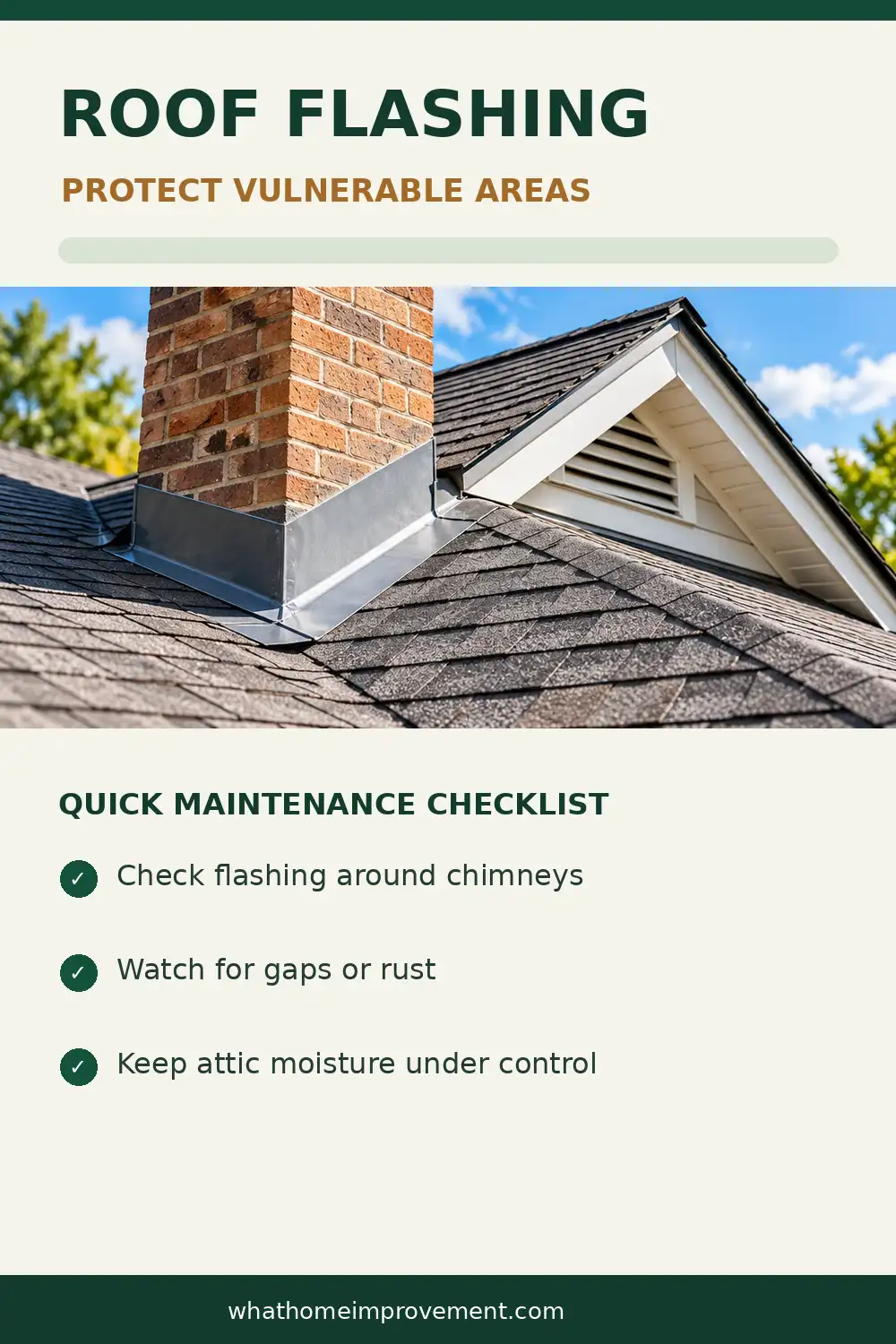
Roof flashing is one of the most important barriers against water intrusion.
Flashing typically consists of specially shaped metal or other weather-resistant material installed around roof penetrations and transitions.
You can find flashing near:
- Chimneys
- Skylights
- Plumbing vent pipes
- Roof-to-wall connections
- Dormers and roof valleys
Over time, flashing may become loose, corroded, damaged, or improperly sealed.
Signs of possible flashing problems
Watch for rust, lifted edges, visible gaps, loose sections, or water stains near roof penetrations.
Because flashing details are critical to waterproofing, repairs should be completed using a method appropriate for the roof design.
Simply applying extra caulk over damaged flashing is not always a reliable long-term solution.
Helpful tip: If you notice an interior leak near a chimney or skylight, have the surrounding flashing inspected promptly.
6. Improve Attic Ventilation and Moisture Control
A healthy roofing system depends on more than the shingles visible from outside.
The attic and supporting roof structure also need protection against excessive moisture.
In conventionally vented attics, properly designed ventilation helps remove moisture. Air sealing and adequate insulation are equally important for controlling heat and moisture movement.
Signs of possible attic moisture problems
- Condensation on roof sheathing or exposed nails
- Damp or compressed insulation
- Musty odors
- Mold-like growth on wooden surfaces
- Water stains or deteriorating roof decking
- Blocked soffit vents
For homes designed with vented attics, soffit vents and upper exhaust vents should work together as part of a correctly designed ventilation system.
However, not every roof assembly requires traditional attic ventilation. Some homes use properly designed unvented roof assemblies.
Helpful tip: Ask a qualified roofing or building-performance contractor to evaluate ventilation, air sealing, and insulation together before making changes.
7. Schedule Professional Roof Inspections
Although homeowners can identify many obvious roofing problems, some issues are difficult to detect without professional training.
Qualified roof inspectors can assess vulnerable areas and identify problems that may not be visible during a basic ground-level inspection.
A professional assessment may cover:
- Shingle condition and visible wear
- Flashing around roof penetrations
- Roof valleys and drainage
- Gutter condition
- Ventilation-related concerns
- Signs of moisture intrusion
- Storm damage and possible repair needs
Consider arranging a professional inspection approximately once a year for an aging or problem-prone roof, or at intervals recommended for your roof type and local conditions.
Additional inspections may be necessary after severe storms or when leaks or other warning signs appear.
Helpful tip: Keep inspection reports, repair invoices, and maintenance records. These can help you track roof condition and may be useful when discussing warranty requirements.
Seasonal Roof Maintenance Checklist
A simple seasonal schedule makes roof care easier to manage.
| Season | Recommended Maintenance |
|---|---|
| Spring | Inspect winter damage, check flashing, and clean gutters |
| Summer | Monitor algae growth, trim trees, and check attic moisture |
| Fall | Remove leaves, clear downspouts, and prepare for winter |
| Winter | Watch for leaks, ice dams, and storm-related damage from safe locations |
The exact schedule will depend on your climate, roofing material, tree coverage, and local weather.
5 Warning Signs Your Roof Needs Professional Attention
Even with regular maintenance, some roofing problems require immediate evaluation.
1. Recurring roof leaks: Water stains or dripping water may indicate compromised roofing materials or flashing.
2. Missing or severely damaged shingles: Exposed sections can allow water to reach vulnerable layers beneath the roof covering.
3. Sagging roof sections: Visible sagging may indicate a structural concern requiring prompt professional assessment.
4. Persistent attic moisture: Wet insulation, condensation, and repeated mold-like growth can signal moisture-management problems.
5. Significant storm damage: Hail, falling branches, and high winds can affect shingles, flashing, and other roofing components.
If you notice these problems, arrange a professional evaluation rather than attempting risky roof repairs.
Frequently Asked Questions
How often should a roof be inspected?
A visual inspection twice a year is a practical starting point for many homeowners. Additional checks are recommended after severe weather. Professional inspection frequency depends on roof age, condition, materials, and manufacturer guidance.
Does regular maintenance really extend roof lifespan?
Routine maintenance can reduce avoidable deterioration and catch minor issues before they develop into larger problems. However, it cannot eliminate normal aging or guarantee a particular roof lifespan.
Is pressure washing safe for asphalt shingles?
High-pressure washing is generally not recommended because it can dislodge protective granules and damage shingles. Follow manufacturer-approved cleaning methods.
How do I know if my roof flashing is damaged?
Visible rust, gaps, displaced metal, deteriorated joints, and interior water stains near roof penetrations may indicate flashing problems. A qualified roofer can determine whether repairs or replacement are necessary.
Can poor attic ventilation damage a roof?
Improper moisture control in a roof assembly can lead to condensation, mold growth, and deterioration of wooden components. Ventilation requirements depend on the design of the roof and attic.
Should I repair or replace my roof?
The decision depends on the roof’s age, damage severity, overall condition, repair history, and roofing material. A reliable contractor can compare repair options with the cost and benefits of replacement.
Final Thoughts
Taking care of your roof is one of the most practical ways to protect your home and avoid unnecessary repair expenses.
Regular inspections, clean gutters, properly trimmed trees, safe roof cleaning, sound flashing, effective moisture control, and professional assessments all contribute to a healthier roofing system.
The key is consistency. Rather than waiting for a major leak or visible failure, use these seven roof maintenance tips to identify potential problems early and keep your roof performing as intended.
Save this roof maintenance checklist for your next seasonal home inspection and revisit it throughout the year.