Yes, you can replace a roof in winter. It is not the easy season for the job, but it is a workable one, and for some homeowners it is the smartest time to do it. If your roof is leaking in January, waiting until spring is not really an option. A small February leak can turn into stained ceilings and soaked insulation by March.
That said, winter roofing has real limits. Asphalt shingles stiffen in the cold, sealant strips need warmth to bond, and a crew on an icy slope needs extra time and care. Below are the honest pros and cons, the costs, the best cold weather materials, and the questions to ask before you book a crew.
The Short Answer: Yes, You Can Replace a Roof in Winter
Roofers work through winter in most of the country, whenever the roof is dry, the temperature suits the material, and the crew can move safely. Asphalt shingles, the most common roofing material, install best when temperatures reach about 40 degrees Fahrenheit. Below that point, a good crew switches to cold weather methods, including hand sealing each tab with roofing cement.
Metal roofing has no such limit. Panels do not rely on a heat activated seal, so a metal roof can go on in almost any temperature. Slate and tile sit in the middle. They are durable in the cold, but ice makes handling them slower and riskier.
The one hard stop is active bad weather. No honest roofer tears off a roof during a snowstorm or while the deck is wet.
Winter Roof Replacement at a Glance
Can it be done?
Yes, on dry days with the right methods.
Key temperature
About 40°F for asphalt shingle installs.
Best cold material
Metal roofing, with no temperature restriction.
Biggest risk
Unsealed shingles lifting in the next windstorm.
Why Winter Roofing Gets a Bad Name
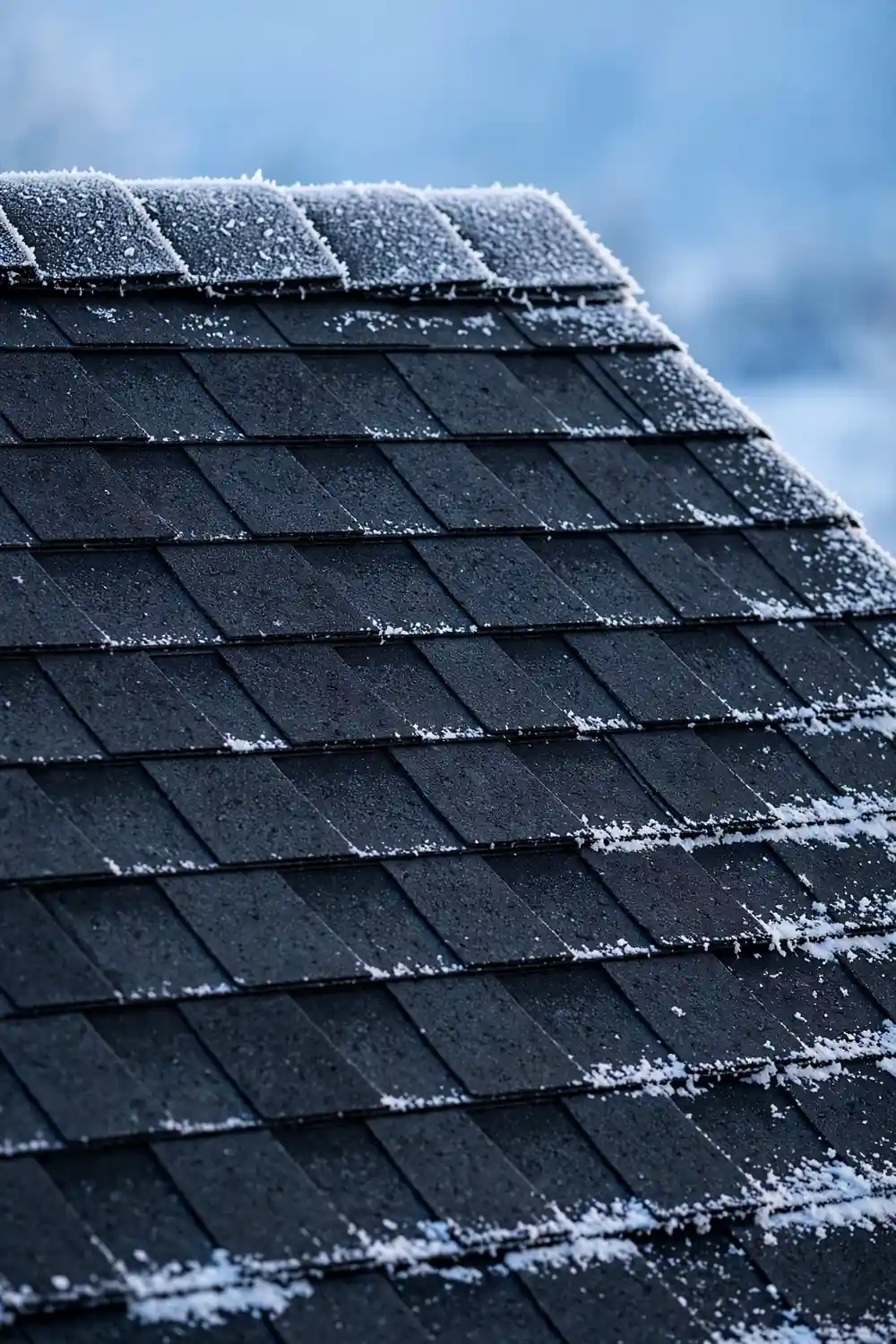
Most warnings about winter roofing come from one real problem. Asphalt shingles carry a sealant strip on the underside that bonds each shingle to the course below it. Sun and warm air soften the strip, and the bond forms on its own over a few warm days. In cold weather, the strip stays stiff, and the bond may not form until spring.
Unsealed shingles are the weak point. A strong winter wind can lift a tab that never bonded, and once a tab lifts, water finds its way under it. That is the whole story behind the advice to wait for spring, and it is a solved problem. Roofers handle it by hand sealing, placing a dab of roofing cement under each tab to create the bond heat would normally make.
The second worry is brittleness. Cold shingles are stiffer and can crack if bent over a ridge or handled roughly. A careful crew stores bundles somewhere warm and brings them out in small batches. If your roofer has no plan for cold handling, that is a red flag. It also helps to know how to prepare a roof for winter so the rest of the system is ready for the season.
The Pros of Replacing a Roof in Winter
Winter is the slow season for most roofing companies, and that works in your favor. Crews have open calendars, so you can often book within days instead of waiting weeks. The crew that shows up is usually the experienced team.
Scheduling is not the only upside. Some roofers offer off season pricing to keep crews busy through the slow months, and permits often move faster since building departments are quieter in winter. If your roof is actively leaking, replacing it now stops damage that would only get worse through months of snow.
- ▸Faster booking: your job can start within days.
- ▸Experienced crews: the year round team, not summer hires.
- ▸Possible off season pricing: some roofers discount winter work.
- ▸Stops active leaks: no more damage while you wait.
The Cons and Risks to Know Before You Book
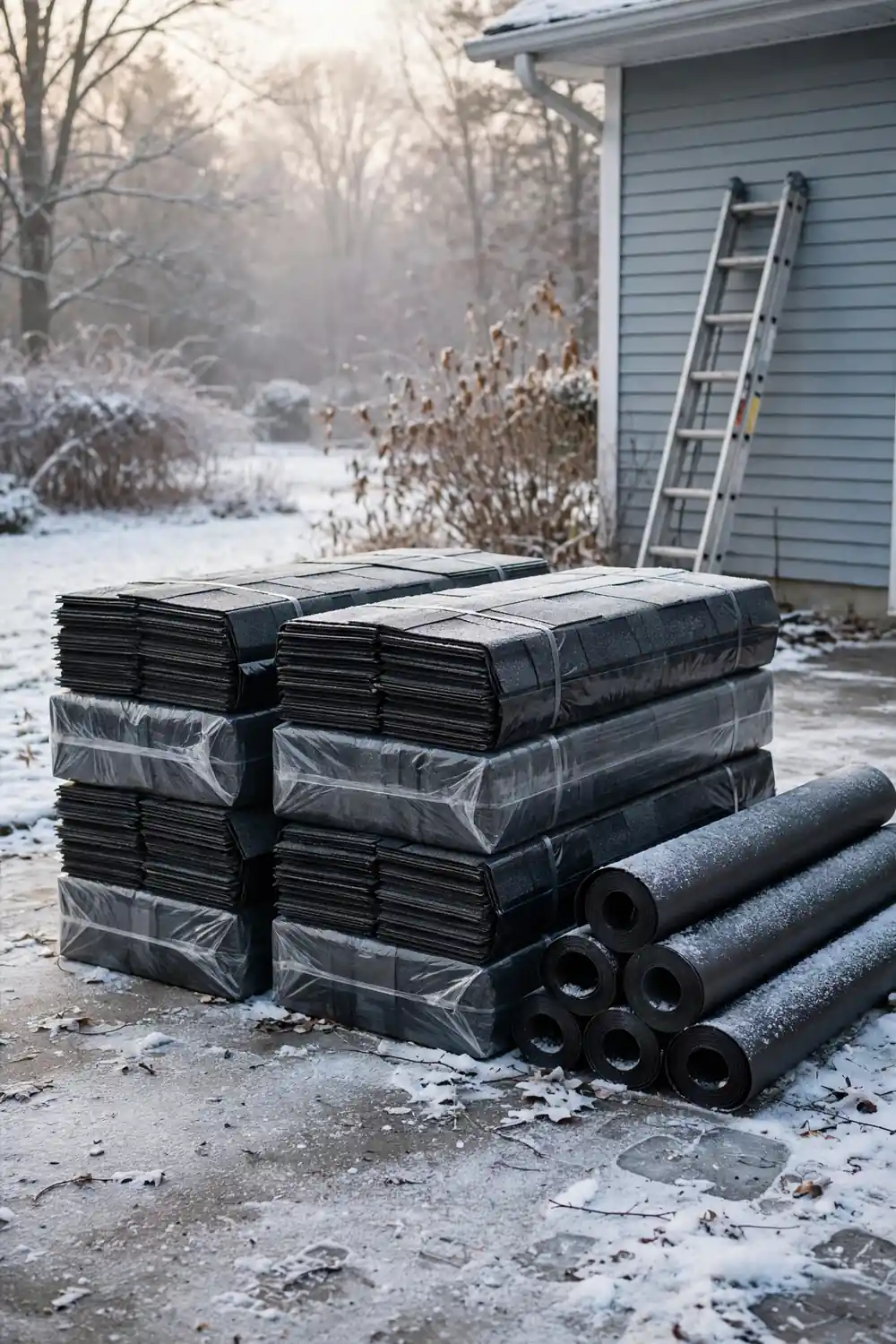
Winter roofing is doable, but it is not a summer install. The biggest drawback is time. Short days, cold mornings, and weather delays can stretch a two day job into three or four. Snow must be cleared first, and a sudden storm can pause everything mid job.
Sealant is the second risk. If shingles are installed in a cold snap and never hand sealed, they may sit unbonded for months, exposed to wind lift all winter. Make sure hand sealing is written into your contract.
Safety is the third factor. Ice on a slope is dangerous, and a good crew will refuse to work on a frosty morning until the roof is safe. That is the right call, even if it pushes the schedule by a day.
⚠️ Watch Out
If a roofer says cold weather changes nothing about the install, walk away. A careful crew adjusts its methods for winter, including hand sealing and warm bundle storage. No adjustment means no experience with cold installs.
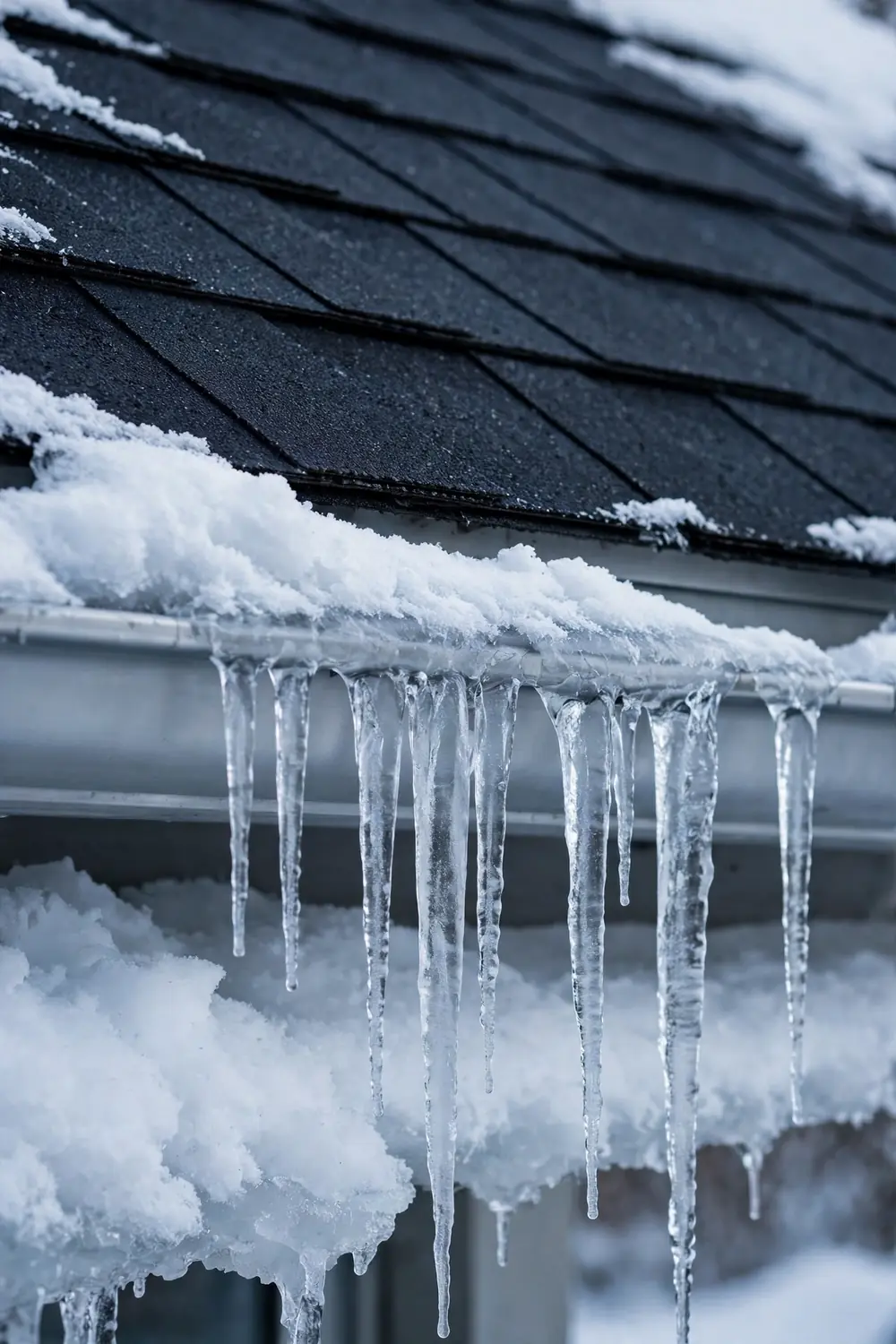
Ice dams deserve a mention too. A new roof does not fix poor attic insulation or ventilation, the real causes of ice dams. If you dealt with them last winter, ask your roofer to check ventilation and insulation while the roof is open, and read up on how to prevent ice dams so the problem does not return.
What Does a Winter Roof Replacement Cost?
A winter roof replacement usually costs about the same as a summer one. Some roofers offer lower prices or flexible scheduling to keep crews working through the quiet months, and suppliers sometimes run winter promotions.
On the other side, winter work adds labor. Clearing snow, hand sealing every tab, storing bundles warm, and working shorter days all add hours. A thorough quote should spell out whether snow removal and cold weather labor are included.
The material you pick moves the price more than the season does. Asphalt remains the lowest cost option. Metal costs more up front but installs cleanly in cold weather with no sealing worries, which can offset some of the winter labor premium. Get three quotes, and ask each roofer to list winter charges as a separate line.
What Moves a Winter Roof Quote
The Best Roofing Materials for a Cold Weather Install
Material choice is the single biggest decision in a winter replacement. Some materials barely notice the cold. Others need careful handling and extra steps.
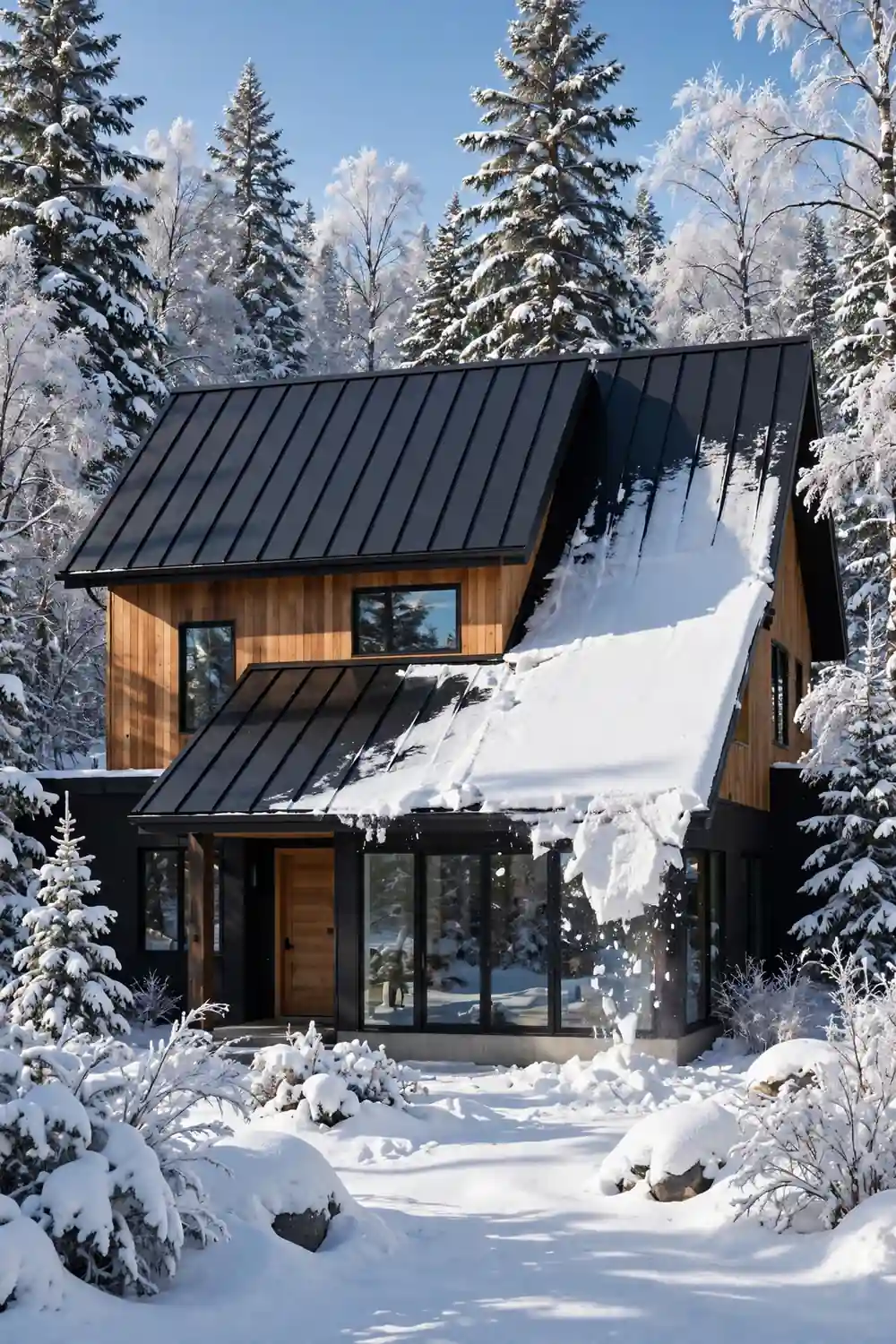
Metal roofing is the clear winter winner. Standing seam panels fasten mechanically, so no adhesive strip waits for warmth. Snow slides off the smooth surface, which helps with ice dams. Metal costs more than asphalt, but it removes the biggest cold weather risk entirely. If you like the look, browse metal roof ideas to see how it fits different home styles.
Asphalt shingles are still a solid winter choice, as long as the crew follows cold weather methods. Look for shingles rated for cold flexibility, and confirm hand sealing is part of the plan. Architectural shingles handle the cold better than standard three tab shingles.
Slate, tile, and cedar shakes can all go on in winter, but each brings a complication. Slate and tile are heavy and slippery on an icy roof. Cedar needs dry conditions to seal properly. Rubber roofing on flat roofs is the trickiest of all, since some adhesives need near 45 degrees to bond well.
| Material | Winter Install | What to Know |
|---|---|---|
| Metal roofing | Excellent | No temperature limit, snow slides off easily. |
| Architectural shingles | Good with care | Needs hand sealing below 40°F. |
| Three tab shingles | Risky in deep cold | Most brittle, cracks easily when cold. |
| Slate and tile | Possible, slower | Heavy and slippery on icy slopes. |
| Rubber flat roofing | Needs warmth | Some adhesives need near 45°F to bond. |
How Cold Is Too Cold for Roofing?
The number most shingle manufacturers use is 40 degrees Fahrenheit. Owens Corning, GAF, and CertainTeed all treat air and surface temperatures at or below 40 degrees as cold weather installation. Work does not stop there. It means the crew must follow cold weather instructions, including hand sealing and careful bundle handling.
Below 30 degrees, most contractors treat asphalt shingles as high risk. The material gets brittle enough to crack during nailing, and sealant has no chance of bonding on its own. A sunny day helps more than the air temperature suggests. Direct sun can warm a dark, south facing slope by 20 to 30 degrees above the air temperature, so a clear 35 degree afternoon can beat a cloudy 45 degree morning.
What to Ask a Roofer Before a Winter Job
The roofer you hire matters more in winter than in any other season. A crew that roofs all year knows the cold weather playbook. A crew that only works summers may not.
Start with experience. Ask how many winter roofs they installed last season, how they handle hand sealing, where they store bundles overnight, and what temperature they stop work at. A roofer with real winter experience answers without hesitating.
Next, get the weather plan in writing. Who decides whether the day is a go? What happens to your exposed deck if a storm rolls in mid job? A good contract covers tarping, a rain and snow day policy, and a plan for keeping the house watertight every night.
Questions to Ask Before You Sign
Finally, ask about the warranty. Some shingle warranties require installation to follow the manufacturer cold weather bulletin, including hand sealing. If your roofer skips those steps, the warranty may not hold. Get the method in writing.
Timing It Right: The Best Window for a Winter Roof
Not all winter days are equal. The best window is a stretch of dry days with daytime highs above 40 degrees and no storm in the forecast. Late fall and early winter often offer exactly that.
Watch the forecast in three day blocks. A good crew wants two or three dry days in a row, enough to tear off, dry in, and shingle without leaving the deck exposed in a storm. Ask your roofer to plan around the forecast rather than a fixed date.
Frequently Asked Questions About Winter Roof Replacement
Will shingles installed in winter seal properly?
Yes, if the crew hand seals the tabs during installation. The factory sealant bonds on its own once warm weather returns.
Does a winter install void the shingle warranty?
Not if the crew follows the manufacturer cold weather instructions. Problems arise only when a roofer skips hand sealing.
How long does a winter roof replacement take?
Most homes take two to four days in winter, a little longer than in summer. Short days, snow clearing, and weather pauses all add time.
Is metal roofing better than shingles for a winter install?
For cold weather, yes. Metal has no temperature restriction and no sealant strip to worry about.
So, can you replace a roof in winter? Yes, and sometimes it is the right call. A leaking roof will not wait for spring, and a winter install with the right material, a careful crew, and a clear forecast window gives you a sealed roof before the wet season arrives. Pick a material that suits the cold, hire a roofer with real winter experience, and get hand sealing and the weather plan in writing.
Save this post for later, and share it with anyone staring at a ceiling stain in the middle of January. The right winter roof job is not a compromise. It is just a roof done with a little more care.