A roof rarely fails all at once. It fades a little each summer, loses a few granules after every storm, and one day you pull into the driveway and the whole house just looks tired. The paint is fine. The yard is fine. It is the roof, taking up half of what people see from the street, quietly dragging everything else down.
The good news is that the reverse is also true. A new roof is the single biggest change you can make to the outside of a house, and these roof before and after stories prove it. Below are fifteen real style transformations, the worn out roofs people started with, what went on instead, and why the whole house looks different now.
If your own roof is curling, streaked, or patched in three different shades, you will probably find your house somewhere in this list, along with the fix that fits it best.
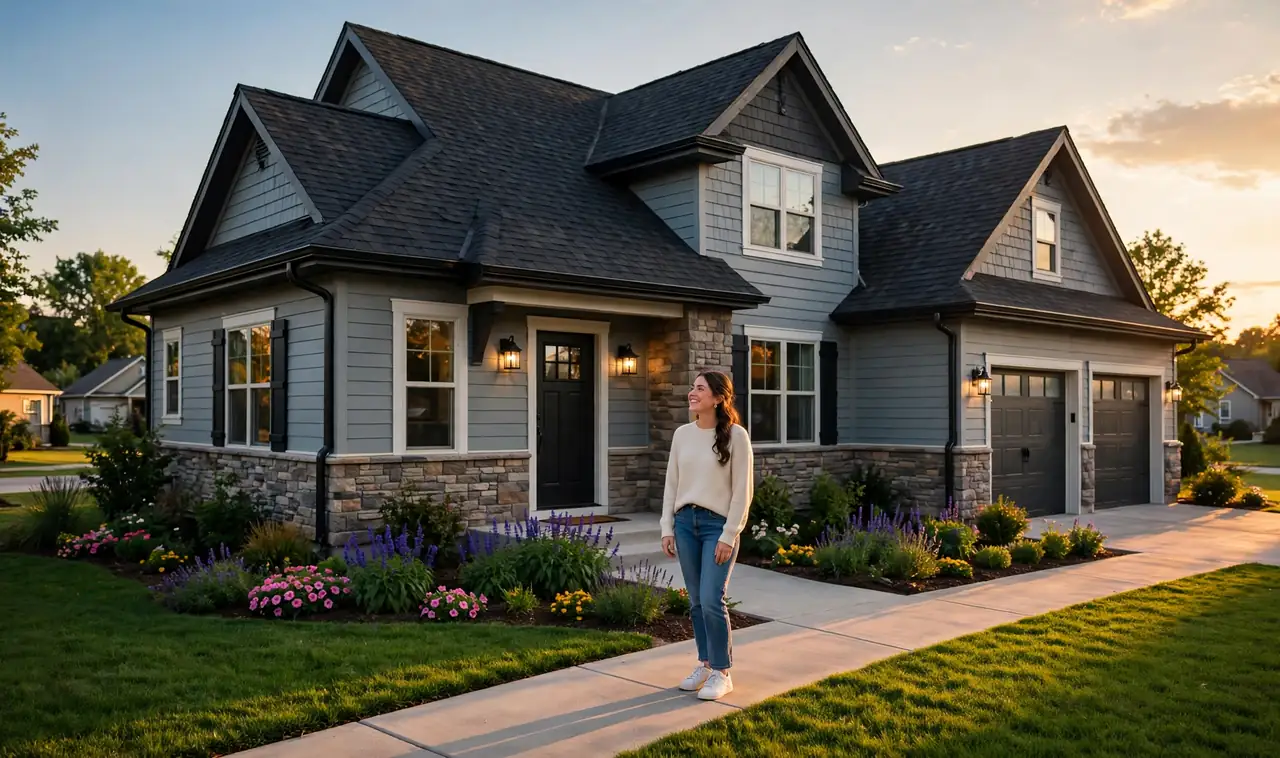
Faded Three-Tab Gray Becomes Deep Charcoal
The old roof was a flat, faded gray, the kind of three-tab shingle that loses its color a little more every year. Up close it had bald patches where the granules had washed away, and from the street it read as one dull sheet with no texture at all.
The owners chose architectural shingles in a deep charcoal, almost black in low light. The thicker, layered profile throws small shadows across the roof, so it finally has depth. Against the soft white siding, that dark cap makes the whole house look taller and crisper, like someone outlined it in marker.

A Quilt of Patches Becomes One Weathered Wood Blend
Years of small repairs had left this roof looking like a quilt. Three different browns, one gray patch near the chimney, and a bright new section over the garage that matched nothing.
The replacement is a weathered wood blend, warm browns and soft grays mixed in every bundle so the variation looks planned instead of patched. Picking the blend took longer than picking the shingle itself, and our guide to roof color ideas walks through how to test blends against your siding. Now the roof reads as one warm surface, and the brick chimney finally looks like a feature instead of a repair site.
Three browns, one gray patch, and a bright new section over the garage.
One weathered wood blend, warm and even from ridge to eave.
Algae Streaks and a Sagging Ridge Become Matte Black Metal
This roof had black algae streaks running down both slopes and a visible sag along the ridge where decades of weight had done their work. The shingles were only midlife, but the streaks made the house look neglected from every angle.
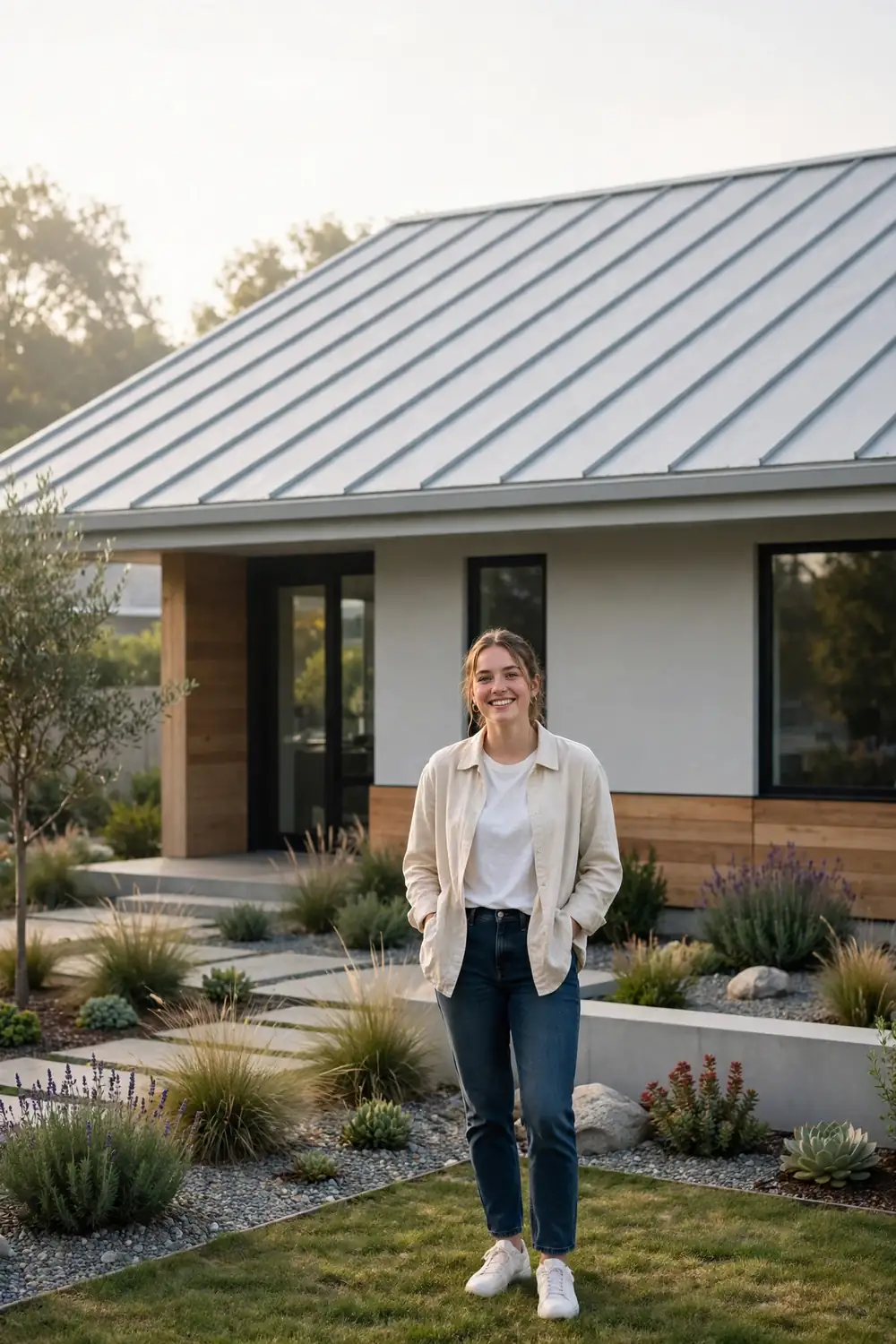
Off came everything, down to the deck, and on went standing seam metal in matte black. The long clean lines do something shingles never could. They pull your eye up, the roofline looks arrow straight, and the modest ranch suddenly reads as modern. The owners repainted nothing else. The roof did all the work.

Flat Brown Shingles Become Terracotta Barrel Tile
The faded brown shingles on this stucco house always looked like a mistake, too cool and flat against warm cream walls. Half the tabs had curled in the sun, and the roof seemed to belong to a different, duller house.
Clay barrel tiles in a natural terracotta changed the entire personality. The curved profile catches light and shadow all day, and the color belongs with the stucco, the arched windows, and the palm by the drive. It is heavier and costs more than shingles, and the structure needed checking first, but the house finally looks like it was designed on purpose.
💡 Quick Tip
Tile is heavy. Before falling for the look, have an engineer confirm your roof framing can carry the extra weight.
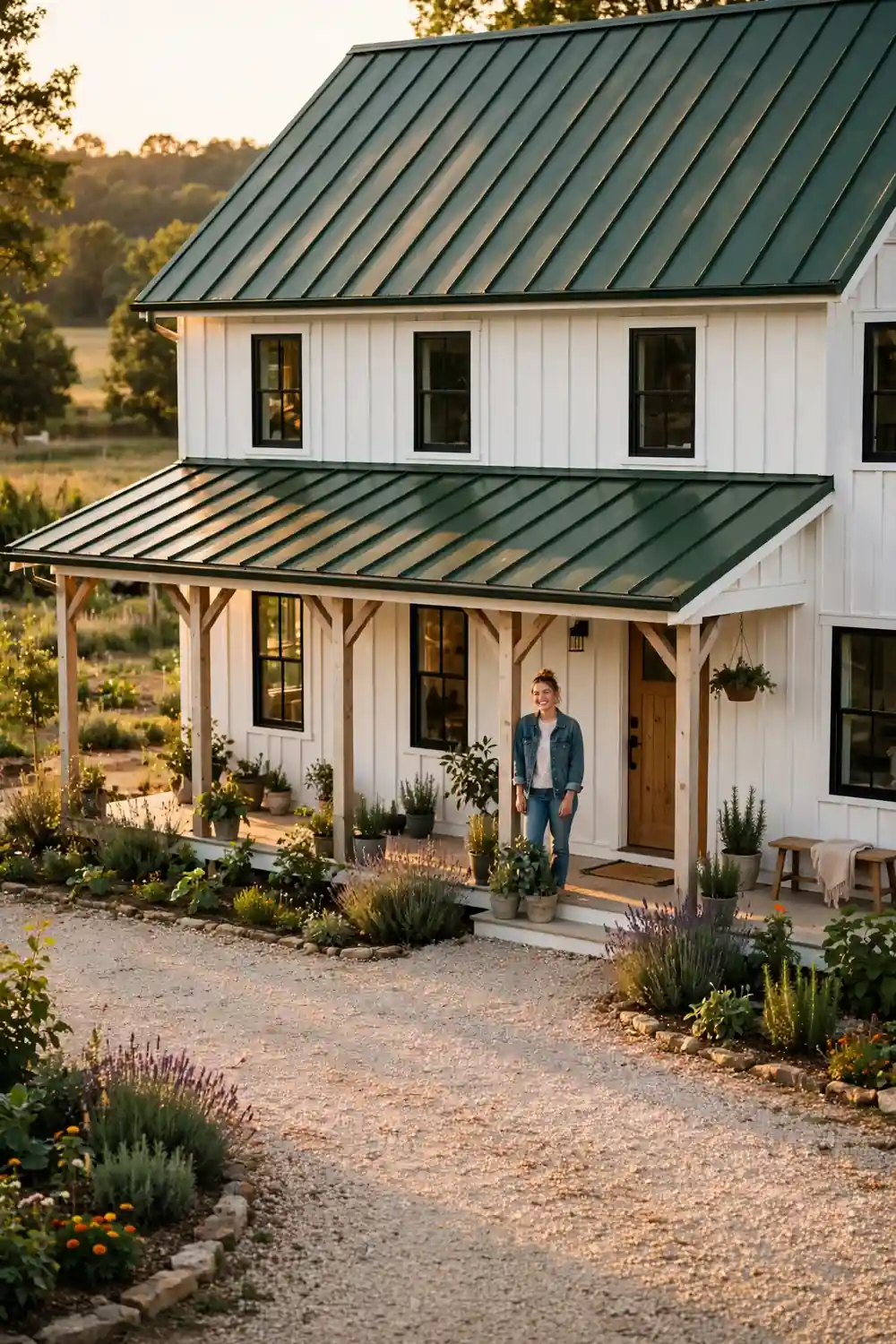
Rusty Farm Panels Become Deep Green Standing Seam
The farmhouse still had its original metal roof, and it showed. Rust bled from every screw hole, panels had lifted at the seams, and the silver surface flashed like a mirror on sunny afternoons.
The new roof is standing seam again, but this time in a deep forest green with a low sheen finish. Green against the white board and batten siding gives the place its story back. It looks like a farmhouse that has been cared for, not patched. Our roundup of metal roof ideas shows the finish options side by side if you are weighing colors.
A Moss Blanket Becomes Cedar-Tone Shake
Under the trees, this roof had gone green in the wrong way. Moss padded every north facing slope, shingles stayed damp for days after rain, and the edges were starting to rot where the growth held moisture against them.
Synthetic shake in a cedar tone replaced the mess. The thick, uneven edges copy the rhythm of real wood, and the warm color warms up the gray stone facade below it. Because the material will not feed moss or hold water the same way, the roof should stay the color it started, not drift back to swamp green.
Chalky Asphalt Becomes Slate-Look Composite
The owners wanted slate. Their budget did not. The existing asphalt roof had faded to a chalky blue gray with dark patches where repairs had been tarred over, and the whole top of the house looked chalky and tired.
Composite slate tiles in a deep slate gray split the difference. From the street, the varied widths and rough edges read as real stone, and the color gives the pale yellow siding the contrast it was missing. The house looks more expensive than it is, which the owners are fine with. Nobody has guessed the tiles are not stone.
Washed-Out Gray Becomes Bold Black on White
White house, light gray roof, white trim. Everything on this house was the same pale note, so the whole place washed out in bright sun and looked smaller than it was.
The owners went the other direction entirely. Architectural shingles in solid black now sit on top of all that white like a lid, and the contrast does the decorating. Windows look bigger. The porch posts look sharper. Even the lawn reads greener against the black and white scheme. It is the same house with the same siding, just a roof with the confidence to be noticed.
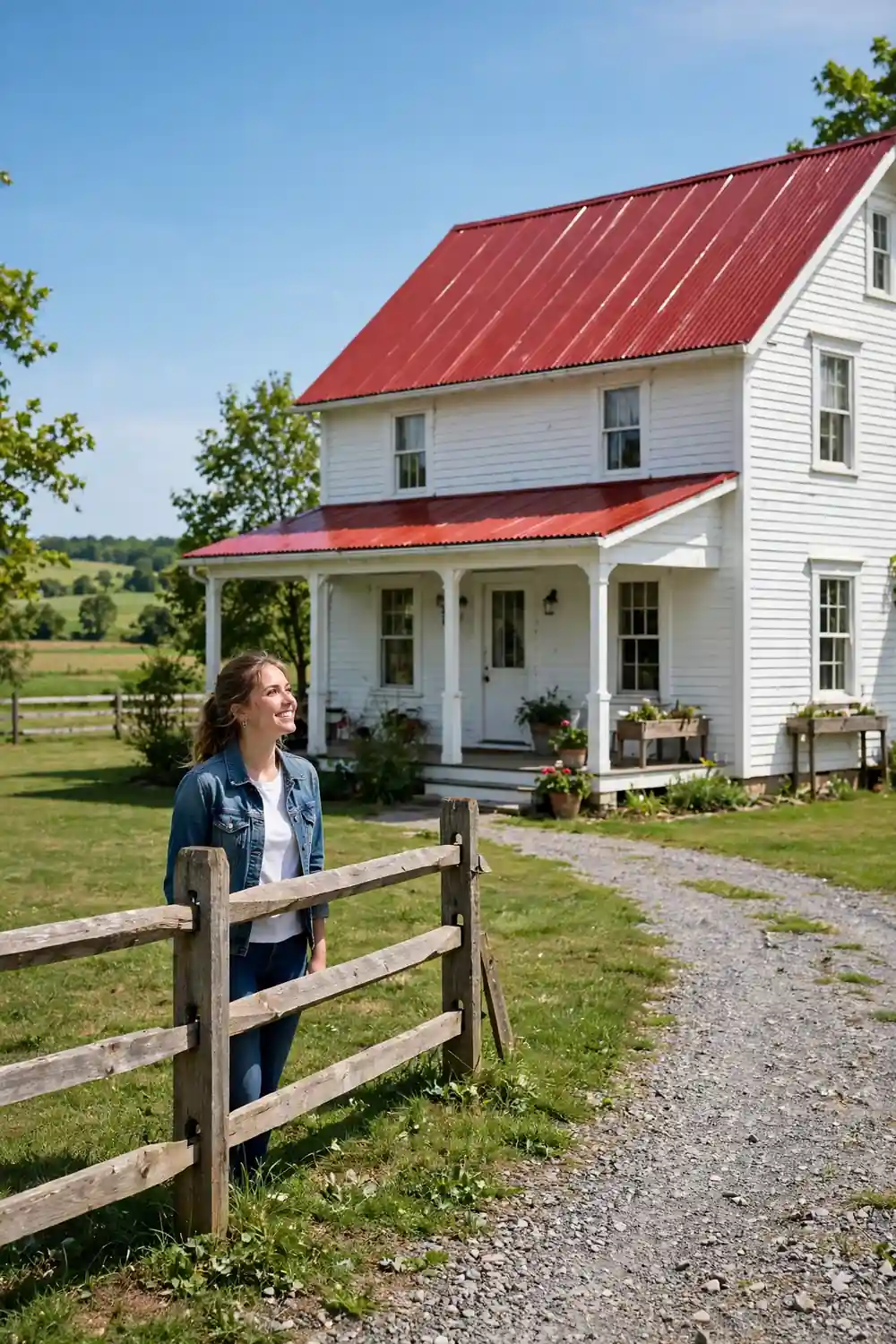
Peeling White Paint Becomes Barn Red Corrugated
Somebody had painted this old metal roof white, years ago, and the paint had given up in long peeling strips. Rust freckled through everywhere, and the country house behind it looked abandoned, even with a family living inside.
New corrugated panels in classic barn red fixed the story in one move. Red is a brave choice, but on a white farmhouse with a gravel drive and a split rail fence, it is the choice the house was asking for. Neighbors slowed down the week it went on. Two of them have since asked for the color name.
Three Curling Layers Become Bronze Metal Shingles
Three layers of shingles were stacked on this roof, each one laid over the last to save money. The top layer curled at every edge, the surface rippled like a quilt, and the extra weight had the deck bowing between rafters.
Everything came off in one noisy week. In its place went metal shingles in a burnished bronze brown, stamped to mimic the shape of tile. The profile is subtle, the color shifts warm in evening light, and the roofline is flat and true again. The house lost the humpbacked look that made it seem older than the street.
Sunburned Pink Tile Becomes Charcoal
Concrete tile can last for decades, but the color on this roof had faded from a soft terra cotta to a washed out pink that fought with everything. Individual tiles had cracked along the driveway side, and the patchy color made the damage look worse than it was.
The owners kept the tile profile they liked and changed the color story. New concrete tiles in charcoal gray went on, with the sound old tiles inspected and reused where they passed. The dark roof grounds the peachy stucco, and the house reads tailored instead of sunburned. Sometimes the material is fine and only the color has to go.
| Keeping tile | Switching to shingles |
|---|---|
| Keeps the profile the house was built for | Lighter load on the framing |
| Color is the main thing you change | Far more colors and textures to pick from |
Beige on Beige Becomes Deep Espresso Brown
Beige shingles on a beige house with beige trim. From the street, this two story faded into one flat tan shape, and the realtor photos made it look like it had no roof at all.
Architectural shingles in deep espresso brown gave the house its outline back. The dark roof band separates the siding from the sky, the white window frames stand out against both, and the front elevation finally has a top, a middle, and a bottom. It is the cheapest kind of transformation on this list, a color change only, and it moved the house more than a new front door ever did.
Blistered Rolled Roofing Becomes Clean Standing Seam
A low slope roof is hard to love when it leaks, and this one leaked at every seam. The rolled roofing on top had blistered and split, and from the upstairs windows the owners looked down on a patchwork of tar and gravel.
A light gray standing seam system, made for low slopes, replaced the whole mess. The raised seams are the detail that changes it, neat parallel lines that make the shallow roof look deliberate and modern. Matching drip edge and flashing finished the edges, the kind of small work covered in our roofing details breakdown. No more buckets in the hall.
Shabby Gray Shakes Become Warm Cedar Composite
Real wood shakes age into a silvery gray that some people love. On this house, the shakes had gone past silver into shabby, splitting, cupping, and lifting at the butt ends, with a few bare spots where individual shakes had blown off entirely.
The replacement is a composite shake molded from real cedar, in a warm new wood tone. Every course is straight, the shadow lines are even, and the roof has the chunky texture the gables were designed around. The color will stay warm too, since the composite is made to hold its tone instead of graying out.
Wood texture only works when every course runs straight. One wavy row gives the whole roof away.
A Patchwork Distraction Becomes One Stone Gray Roof
The last house on the list had the roof that realtors call a distraction. A storm repair here, a different shingle there, and a valley patched with whatever was on the truck. Buyers kept offering less because of how it looked from the curb.
One uniform roof in warm stone gray ended the conversation. Architectural shingles, one color, one age, clean ridge line from end to end. The brick, the shutters, and the door all stayed the same, yet the listing photos looked like a different property. It sold the following month, and the agent credited the roof first.
If there is a thread running through all fifteen, it is this. The roof is not one part of the house. From the street, it is close to half the house, and when it looks worn, everything under it looks worn too.
Pick the transformation that matches your own before photo, save the material and color names, and take this roof before and after list with you when you start collecting quotes. A roofer can price a shingle. Only you can pick the look your house has been missing. Save this list for the day you are ready.