
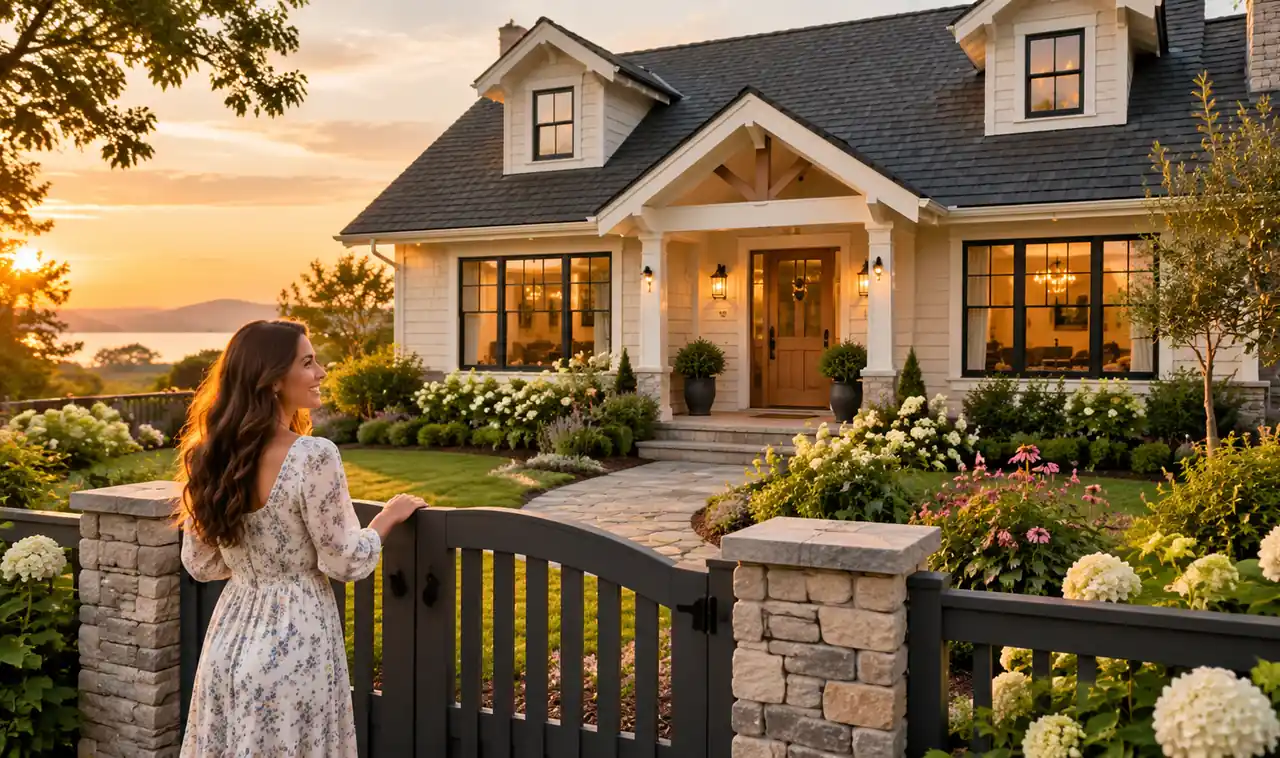
Stand at the curb and look at your house the way a stranger does. The roof takes up a huge share of what you see, sometimes close to half the front view, yet most people pick its color in about ten minutes at the supply store. A roof that clashes with the siding makes the whole house look tired, even when the paint is fresh and the yard is tidy.
The good news is that roof color ideas are easier to sort out than they first seem. Once you know which shades flatter your siding and brick, the short list nearly writes itself. Below are 21 colors real homeowners use to make a house look cared for from the street, with notes on pairings and weak spots.
1. Charcoal Gray Shingles for a Clean, Modern Base
Charcoal is the safest strong color on this list.
It sits between black and medium gray, so it grounds white, cream, and pale blue siding without looking heavy. Brick homes love it too, because the cool tone calms busy red and orange brick. Pick architectural shingles with slight color variation rather than a flat solid, since variation hides dust and streaking between cleanings.
On any street, it never looks out of place.
2. Soft White Roofing That Brightens a Dark Exterior
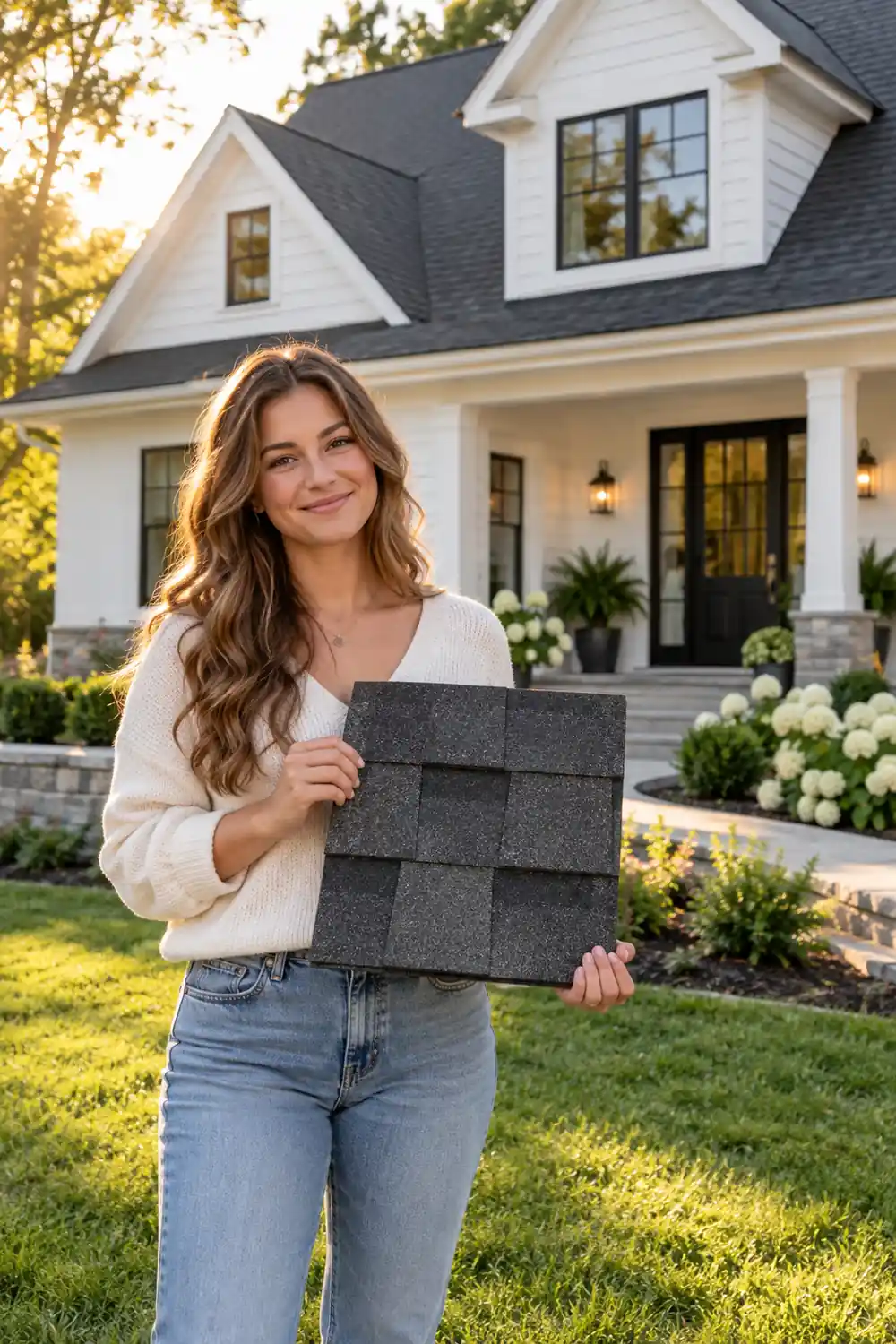
A white or off white roof flips the usual contrast.
Instead of a dark cap on a light house, you get a pale cap that makes navy, forest green, or black siding look sharp and deliberate. White coated metal and light concrete tile are the usual picks, and the pale surface reflects summer heat.
One caution: white shows leaf stains and algae streaks fast. It suits open sky lots better than deep shade.
3. Classic Black Shingles That Never Go Out of Style
Black is the color people land on when they want the house to look finished.
It sharpens white farmhouses, warms red brick, and gives gray siding the contrast it usually lacks. If you are weighing black against softer dark tones, these black roof house ideas show how the same color shifts with different siding.
Heat is the trade off. Black absorbs the most sun, so attic ventilation matters more here.
4. Warm Brown Shingles for Brick and Stone Homes
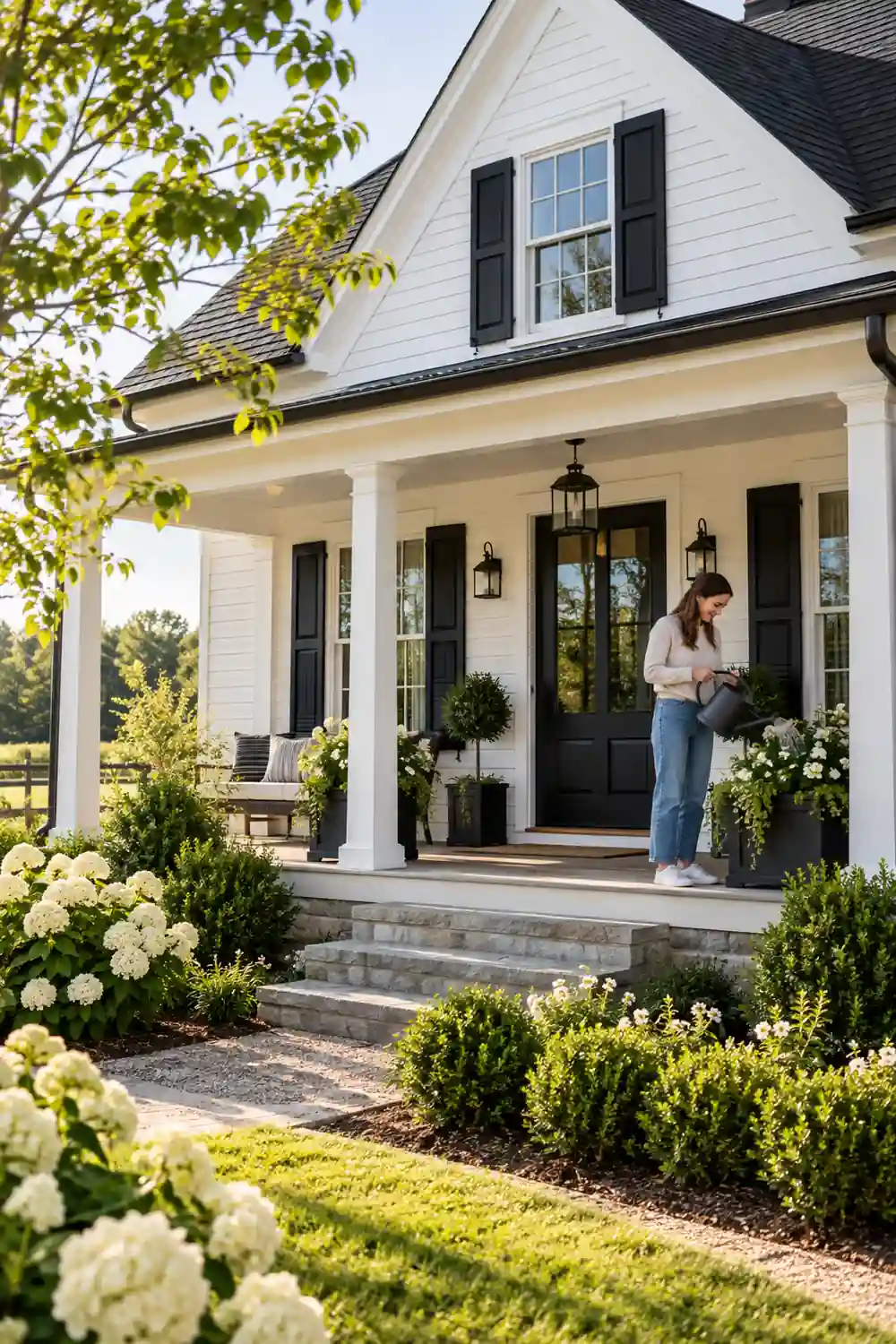
Brown works when the house already has warm materials doing the talking.
Red brick, tan stone, cedar accents, and cream siding share a warm base, so a brown roof ties them together instead of fighting them. Choose blends with hints of rust and dark chocolate, not one flat brown.
- ▸Best partners: red brick, stacked stone, cream siding, bronze gutters.
- ▸Weak partners: cool gray siding, blue gray stone, silver trim.
- ▸Sample tip: check the shingle against the brick at noon, not under store lights.
5. Weathered Wood Tones Without the Wood Maintenance
The grayish brown of aged cedar shakes flatters almost every house it lands on.
Real cedar weathers to that soft silver brown, and modern shingles copy the blend well. It is the right call for cottages, Craftsman homes, and tree surrounded lots, because the color already looks like part of the landscape.
Pair it with sage, cream, or warm white siding. Skip it on slick modern boxes.
6. Deep Forest Green for Houses Surrounded by Trees
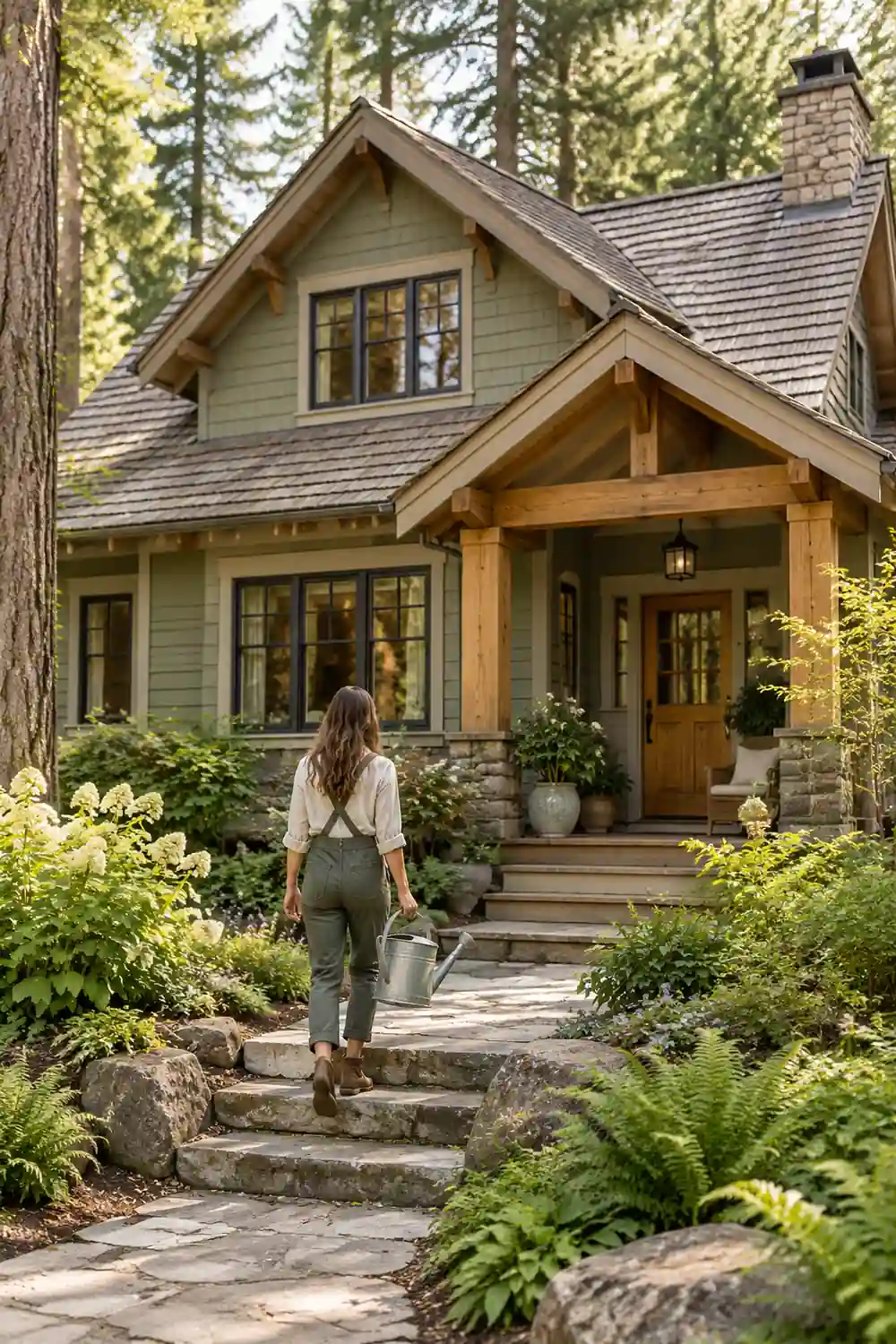
A forest green roof looks like it grew there.
On a lot with mature trees, deep green blends the house into its setting instead of dropping a gray box into it. It pairs well with cream and natural wood siding.
💡 Quick Tip
Green looks darker once installed than on a sample board. Pick one shade lighter than your first choice and check it in full sun.
Green is a commitment, though. It limits future siding colors more than any neutral here, so choose it because you love it.
7. Slate Blue Gray for Coastal and Colonial Homes
Blue gray shingles borrow the look of real slate at a fraction of the weight and cost.
The cool tone flatters white Colonials, pale yellow siding, and gray blue coastal houses. It also cools down red brick that feels too orange.
Keep the blue subtle. Shingles that read clearly blue from the curb can date a house fast, while ones that read gray inside and blue in sunlight age well.
8. Terracotta Clay Tile for Warm Climates and Stucco
Some houses were built for one roof color, and stucco homes in warm regions were built for terracotta.
The orange red clay tone belongs with cream, sand, and white stucco, arched windows, and Spanish or Mediterranean lines. Clay tile also handles intense sun without fading the way dyed shingles can.
Tile is heavy, pricey, and wrong for snowy roofs. A terracotta toned shingle blend nods to the color without the costume.
9. Brick Red Metal That Echoes Older Neighborhoods
Red roofs are older than asphalt, and a muted brick red still looks right on farmhouses and older streets.
Standing seam metal in a dusty red suits white board and batten, light stone, and weathered wood. Keep the red brick toned, not fire engine bright.
A red roof should be the only loud color on the house.
Red roofs over red brick walls are almost always too much. If the walls are brick, pick charcoal or brown instead.
10. Muted Sage Green for a Softer, Quieter Roof
Sage does what forest green does, at half the volume.
The gray green reads calm against white, cream, and light wood siding, and it suits homeowners who want color without a statement. It suits garden heavy lots where gray looks cold and dark green looks heavy.
Sage metal shows the color most evenly. In asphalt, blends vary a lot between brands, so order a full size sample board first.
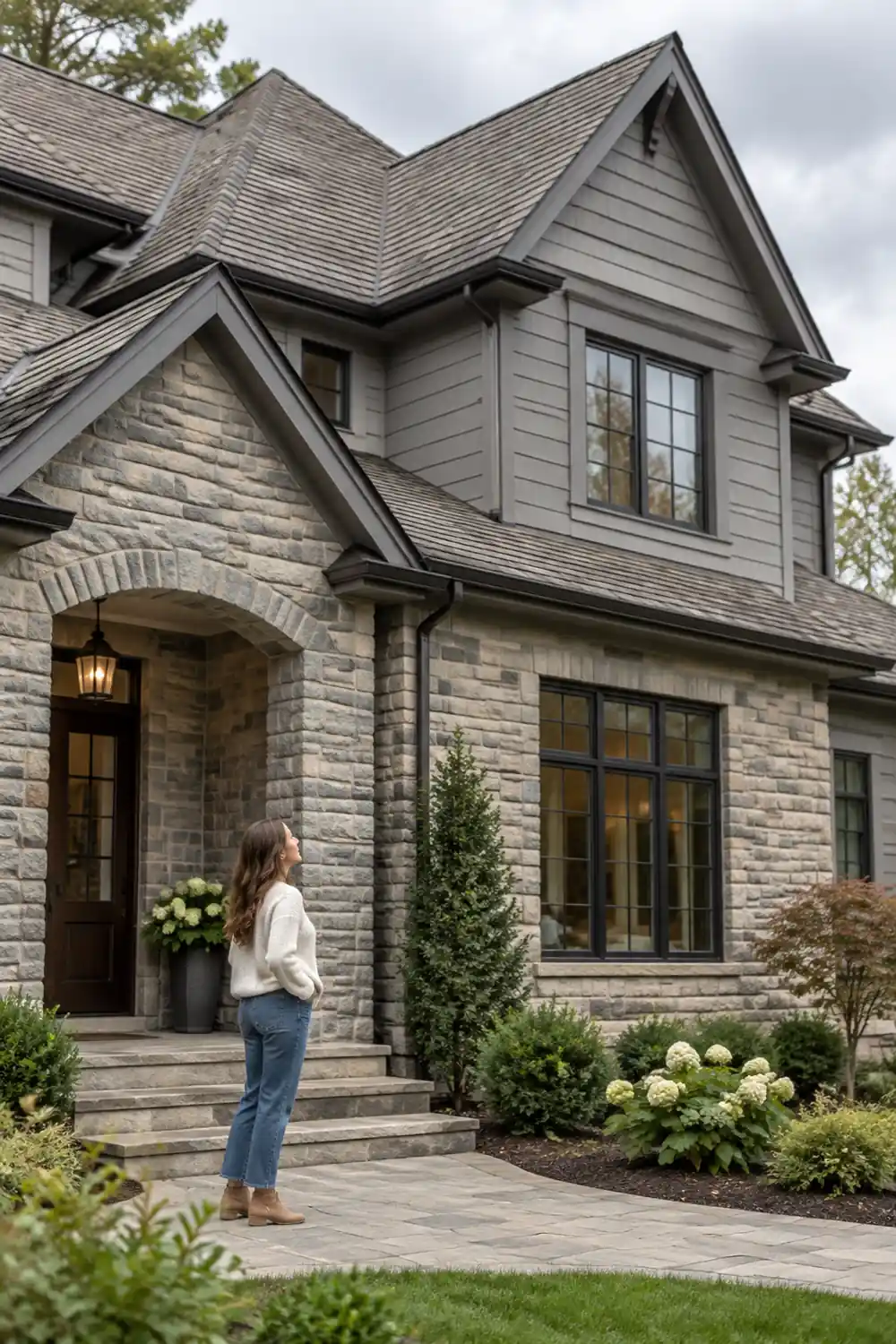
11. Greige Blends That Split the Difference
Greige, the blend of gray and beige, exists for houses that cannot decide which way they lean.
Plenty of homes mix warm and cool materials at once: gray stone with tan mortar, cool siding with a warm front door. A greige roof sits comfortably on all of it and stays friendly with future siding colors.
Check greige samples outside on a cloudy day and a sunny one. Some blends swing pink in bright light, and that swing is the thing to avoid.
12. Navy Blue Roofing Used Sparingly and Well
Navy is the boldest color here, and it only works when the rest of the house stays quiet.
White or pale gray siding, white trim, and a simple roof shape let navy look crisp instead of loud. It suits coastal homes that already use navy on shutters or the front door, since the roof then repeats a color.
Fading is the risk. Deep blue pigments soften over the years, so ask about fade warranties in high sun regions.
13. Copper Accents That Patina Over Time
A full copper roof is a rare splurge, but copper over a bay window, porch, or entry roof is within reach for more homes.
Fresh copper glows orange brown, then settles through brown to a soft green patina. That slow change suits brick, stone, and dark shingle roofs, where the metal reads as jewelry on the house.
Plan around the patina stage, not the shiny first month.
14. Two Tone Shingle Blends That Add Depth
A single flat color can make a big plain roof look like a lid. A two tone blend fixes that.
Architectural shingles layer two or three close shades, like charcoal with slate or brown with rust. From the street the roof gains texture and shadow, so wide roof planes look deliberate instead of bulky. Blends also hide patch repairs better than solids.
Stay within one color family. A blend mixing warm and cool tones reads as a mistake from the curb.
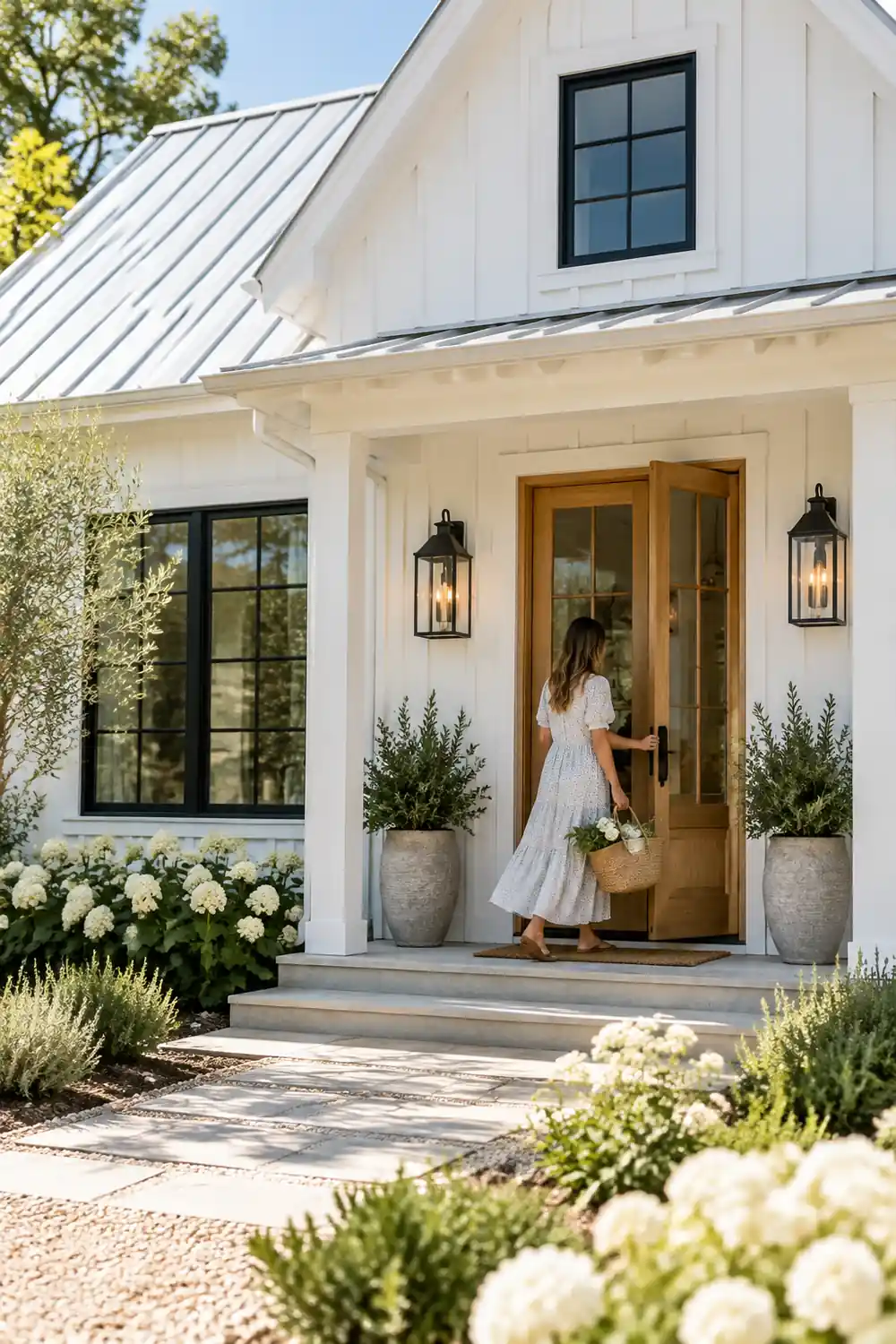
15. Crisp White Metal for Farmhouses and Hot Summers
White standing seam metal has become the modern farmhouse signature for a reason.
It reflects heat, shrugs off storms, and makes black windows and natural wood doors look intentional. On pale board and batten, it gives the house a clean, wrapped look.
White metal needs a wash every year or two in humid regions, where mildew dulls it. For shady, damp lots, light gray gives most of the brightness with less upkeep.
16. Dark Bronze Metal That Reads Softer Than Black
Bronze is black with the edge taken off.
The deep brown black tone pairs with warm stone, cedar, and cream or tan siding where true black feels stark. It also repeats the finish of bronze outdoor fixtures at a larger scale.
Bronze shows pollen as a pale film in spring, the way black cars do. Smooth standing seam panels rinse cleaner in rain than textured finishes.
17. Light Gray Roofing That Keeps Attics Cooler
In hot climates, roof color is a comfort decision, not just a style one.
Light gray shingles and pale metal reflect far more sun than dark roofs, and the attic below stays noticeably cooler through the afternoon. It is an easy neighbor for white and pastel siding, and it hides dust better than white does.
Dark trim or shutters still work with it. The contrast reads fresh rather than washed out.
18. Muted Taupe for Stone Heavy Exteriors
Stone facades already carry three or four colors, so the roof should not add a fifth.
Muted taupe pulls the average tone out of the stone mix and repeats it overhead, so the whole front feels settled.
Sample checks before you order taupe
19. Barn Red Shingles With Country Roots
Barn red on a house roof borrows the color of the outbuilding out back, and on the right property it looks completely natural.
It suits rural homes, white farmhouses, and wood sided houses where a gray roof would feel suburban. Keep the red muted and slightly brown, with simple white trim.
Skip it in tight subdivisions with strict palettes. On a street of gray and brown roofs, red stops looking charming and starts looking loud.
20. Matte Black Standing Seam for Modern Builds
Glossy black can glare. Matte black standing seam does the opposite, absorbing light and sharpening every line of a modern roof.
It partners white stucco, pale wood cladding, and big glass walls, where the roof works as a clean outline. Low slope roofs show it best.
Matte finishes show scratches more than satin ones. Ask the installer about matching touch up paint before the job starts.
21. A Roof Color Pulled From Your Trim
The easiest color decision hides in paint you already own.
When the roof repeats the trim or front door color, the house reads as one planned design. For more pairing help, these roof and house color combinations walk through which siding shades flatter each roof tone. And for proof of how much one swap can do, these roof before and after examples show plain houses after a single re roof in a better shade.
Keep the match close, not exact. A slightly deeper shade overhead reads as the same color from the street.
Wrapping Up
The roof is too big and too costly to treat as an afterthought. Start with your fixed materials, then pick the color that flatters them and fits your climate. Neutrals like charcoal, greige, and warm brown keep future options open, while green, navy, and red reward homeowners who commit. Save this list of roof color ideas for the day the roofer asks for your final pick, and walk a sample board out to the curb before you answer.


6 Responses